
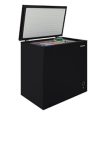
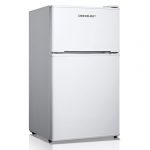
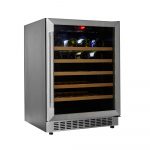
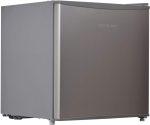








Where would we be without the humble refrigerator? It’s an appliance we all take for granted, but choosing the right one for your needs can be tricky. Not only are there a multitude of different styles, brands and features to think about, but there’s a wide range of sizes on offer too. From compact mini fridges to undercounter models and gigantic American-style fridges, there’s a fridge or fridge-freezer out there for everyone.
To help you zero in on the perfect fridge, we’ve put together a handy guide to fridge and freezer sizing and capacities. Below, we’ll cover the standard fridge-freezer sizes you’ll encounter while shopping, explain the different types of fridges available (and how their designs affect their internal and external dimensions) and offer some top tips to help you choose the appliance that’s right for you.
Quick guide to fridge and freezer sizes (UK)
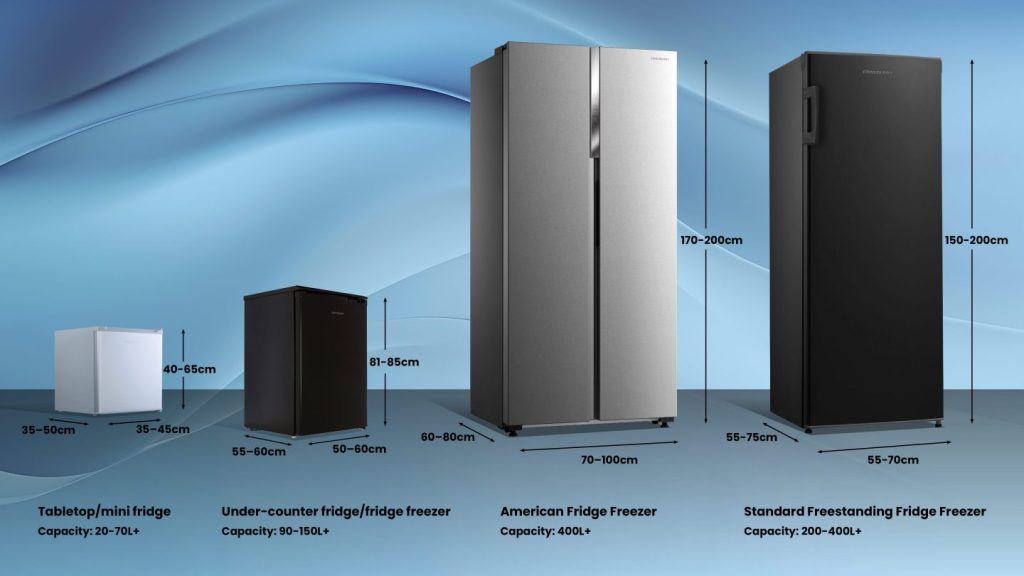
Fridge sizes can vary depending on the model, but here’s a rough guide to capacity:
- Small fridge: 20–100L (ideal for 1 person, bedrooms, offices)
- Standard fridge: 100–300L (1–3 people)
- Fridge freezer: 150–400L (families)
- American fridge freezer: 400–800L (large households)
Types of fridge and fridge-freezers
Before we take a closer look at sizing for specific fridges, first, we need to cover the different types of fridges available. Why? Because each type brings something different to the table, not just in terms of design and features, but also in terms of storage space. Let us explain…
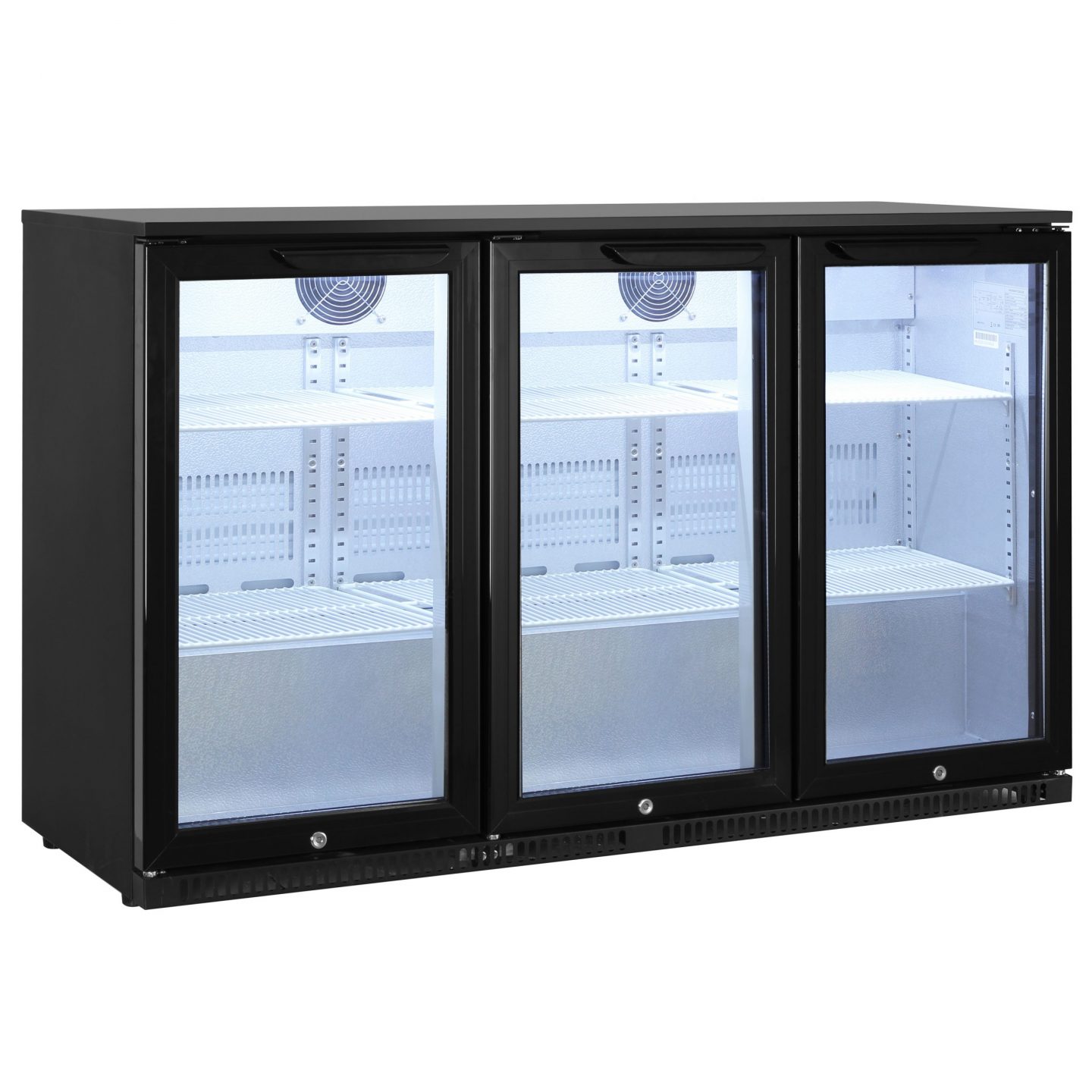
- Freestanding fridges: A freestanding fridge offers the most flexibility in terms of design and size, as they aren’t built directly into your kitchen units. As there are no specific space limitations for them to adhere to, freestanding fridges can often be larger than their built-in counterparts.
- Integrated fridges: By contrast, integrated (or built-in) fridges are installed into your kitchen units, which means they need to be a specific size. They typically feature a single door and are available in both full and half-height forms, the latter being compact enough to fit beneath your worktop. Integrated fridges offer a neat, uncluttered look, but aren’t usually as spacious as the largest freestanding models and don’t vary as much in terms of size options.
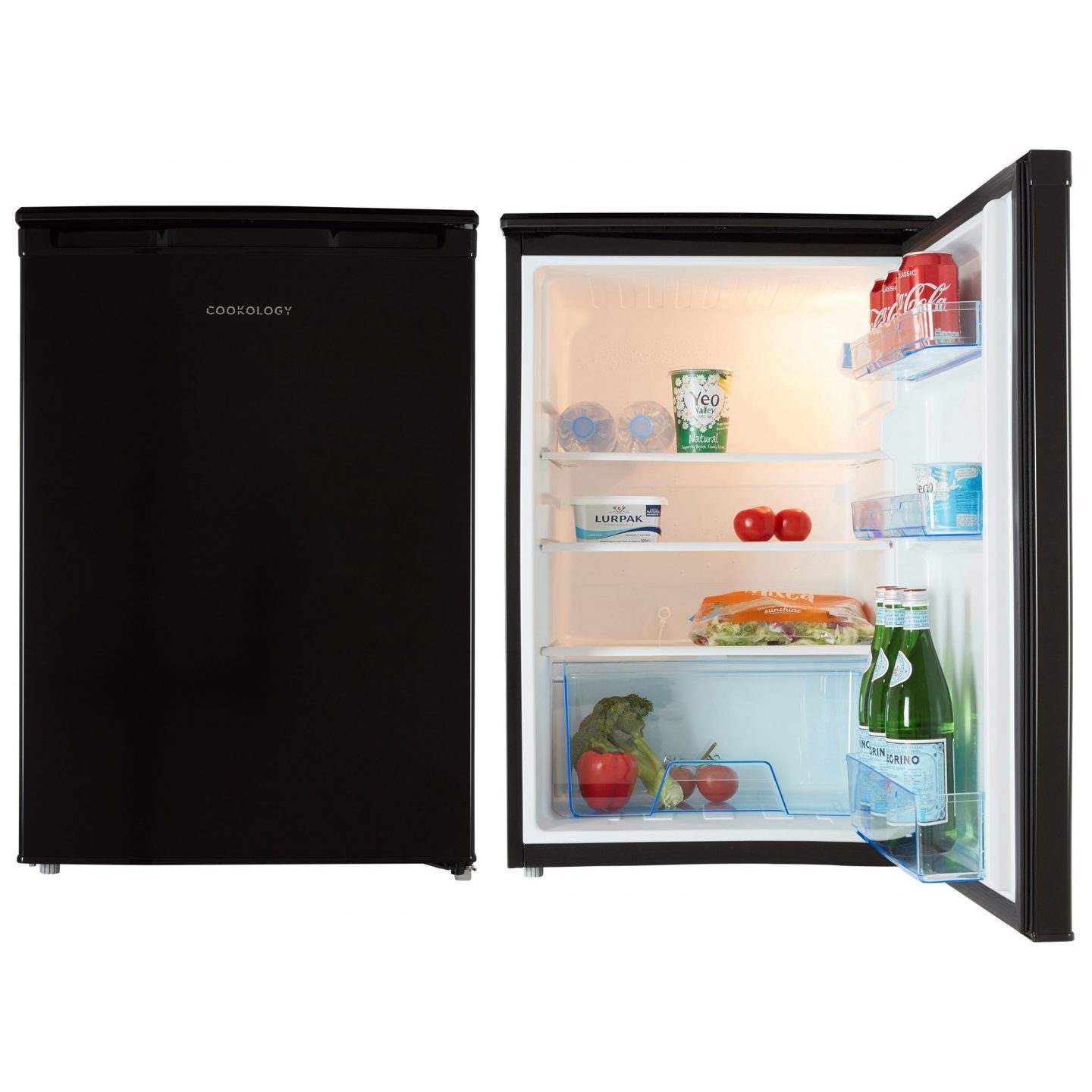
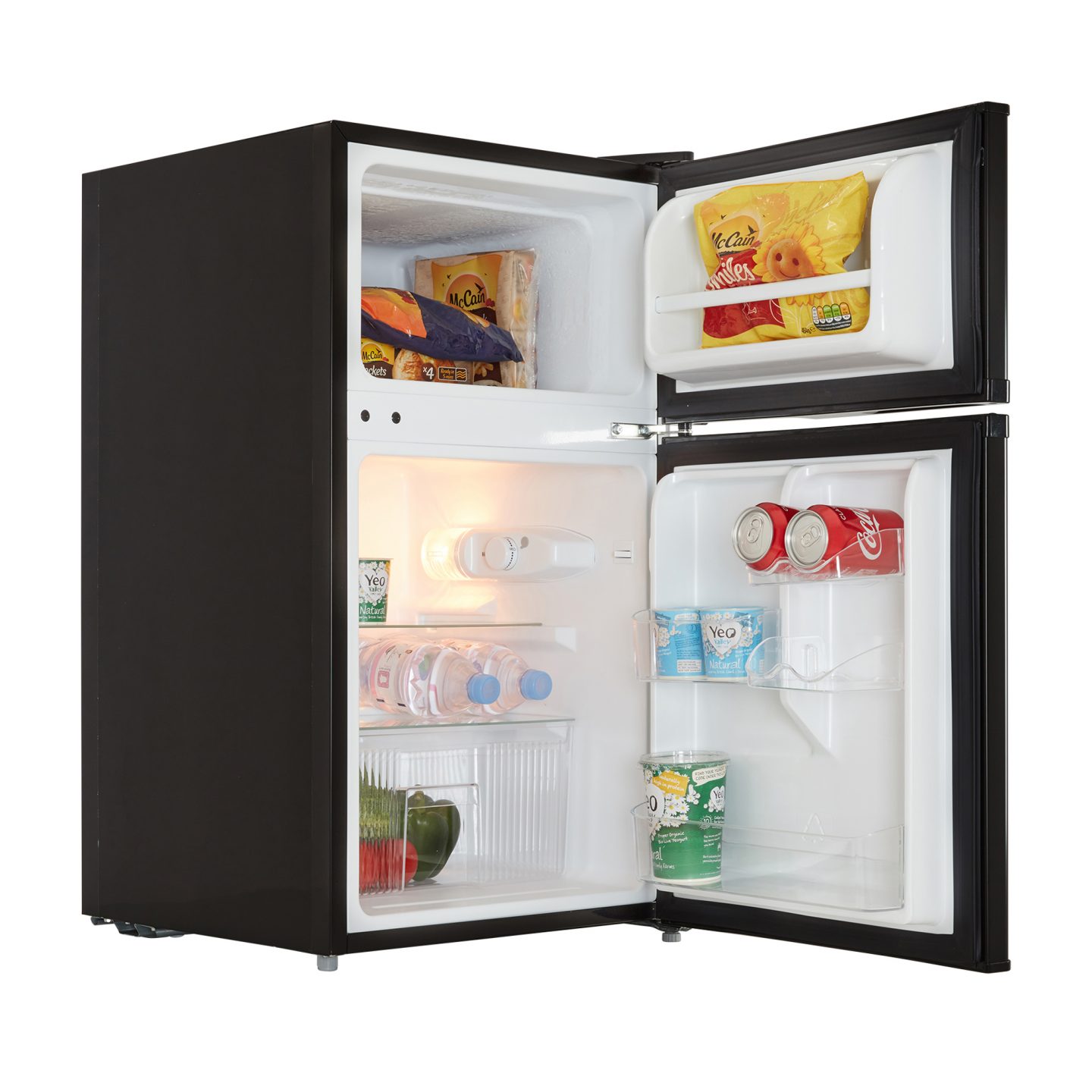
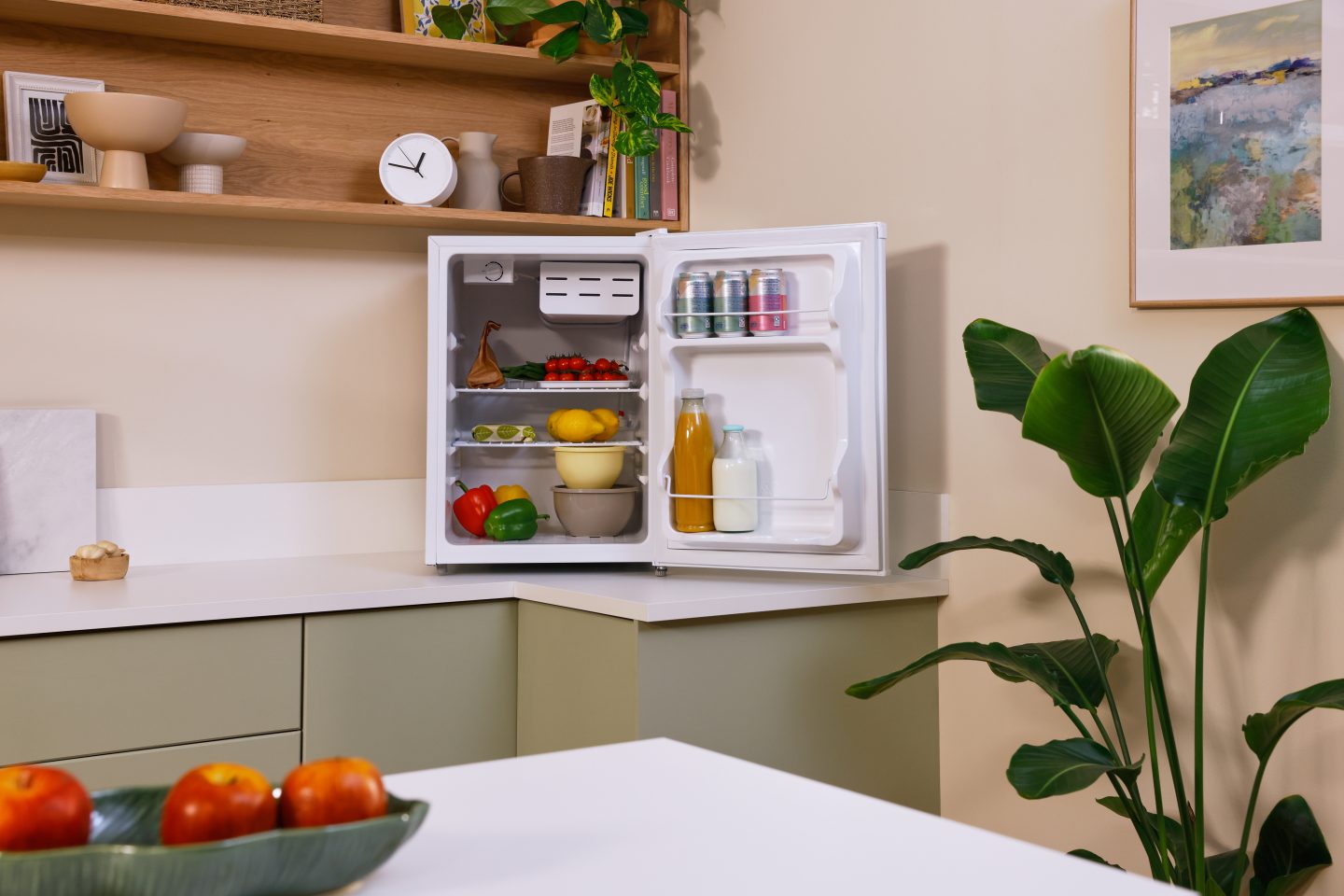
- Tabletop and mini fridges: As the name suggests, these fridges are designed to sit on top of your kitchen counter, not beneath it. Generally speaking, this makes them smaller than most freestanding or integrated fridges – ideal for compact kitchens.
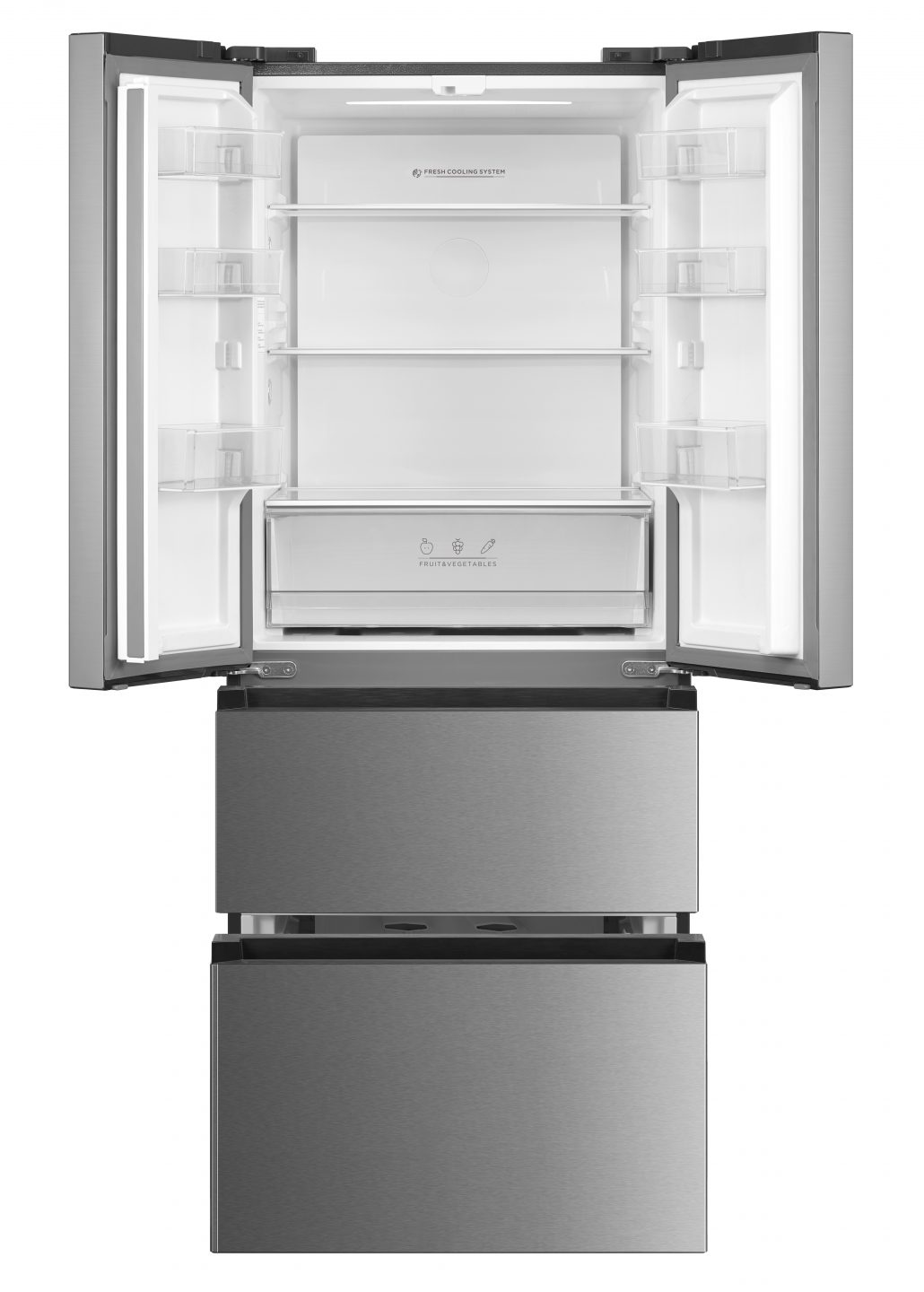
Of course, it’s not just the style of appliance you choose that matters, but the configuration. You can opt for a fridge or a fridge-freezer, which combines two appliances into one. Some fridge-freezers contain larger fridge compartments with only a small freezer section, while others are closer to a 50/50 split. Some contain just shelving, while others come with drawers and separate storage compartments.
As you can tell, there’s a lot to consider. That’s why it’s important to identify which type of fridge best suits your needs before even considering size. For instance, if you need a compact, portable fridge, a tabletop version is best. If you want your kitchen to look uncluttered and minimalist, an integrated model is ideal. If you’re all about capacity, it makes sense to look at larger freestanding models, like American fridge-freezers.
Once you’ve decided which type of fridge to go for, you’ll then be able to narrow down your selection by size. Let’s take a closer look at the standard fridge and fridge-freezer sizes you’re most likely to encounter.
Standard fridge sizes
It’s important to remember that fridge and freezer sizes can vary depending on the brand and model, so the below is just a rough guide. Always double-check size specifications for the model you’re considering, and measure your space to make sure that it will fit.
Small and mini fridge sizes
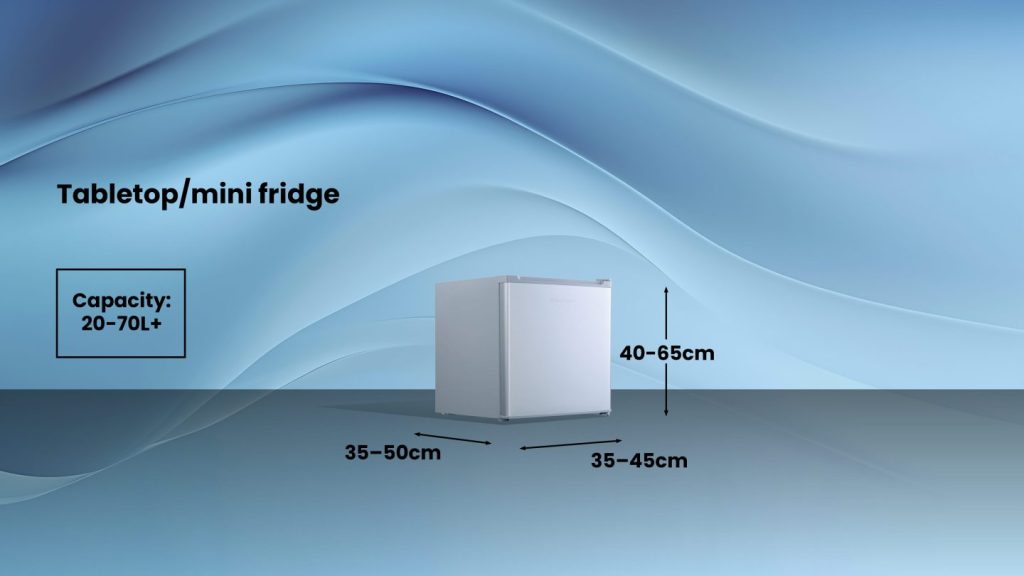
As the name suggests, small and mini fridges are some of the smallest models available on the market. They tend to be anything from 20-70L in capacity.
Average sizes are:
- Height: 40–65cm
- Width: 35–45cm
- Depth: 35–50cm
- Capacity: 20–70L
The size of mini fridges can vary depending on the model you choose. For example, at Cookology, our smallest mini tabletop fridge has a 23L capacity, a height of 47.5cm, and a width/depth of 38cm. The largest mini fridge we have available has a capacity of 65L, a height of 63cm, a width of 44.5cm, and a depth of 51cm. These models are ideal for storing on top of counters and are popular for bedrooms, offices, students, and caravans or campervans.
Under-counter fridge size
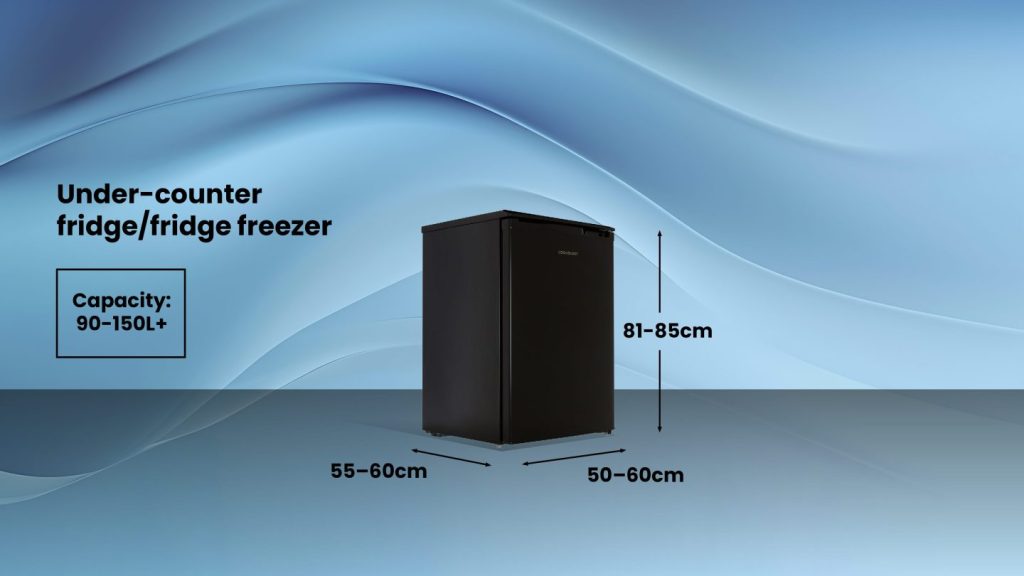
An under-counter fridge tends to follow more standardised sizing, as it needs to fit underneath a standard kitchen counter.
The standard kitchen counter height in the UK is 90-91cm. To allow space for ventilation within the unit, the under-counter fridge’s dimensions are usually between the following:
- Height: ~81–85cm.
- Width: 50–60cm
- Depth: 55–60cm
- Capacity: 90–150L
Standard fridge and fridge freezer sizes
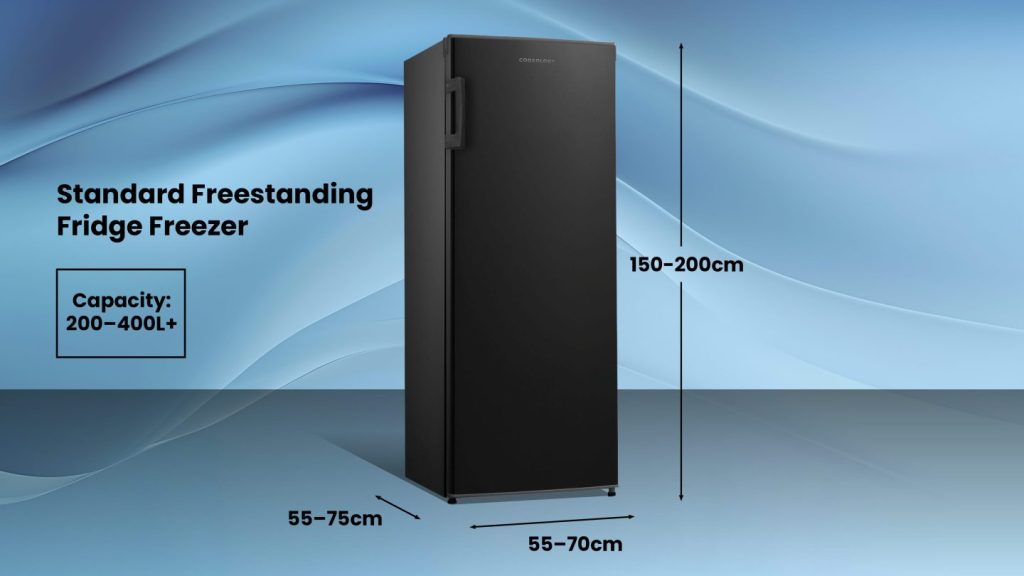
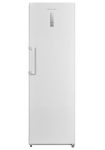
A standard, freestanding larder-style fridge, or a tall fridge freezer, has an average capacity of 200-400+ litres.
Average sizes are:
- Height: 140–200cm
- Width: 55–70cm
- Depth: 55–75cm
- Capacity: 200–400L+
A standard full-sized fridge-freezer is typically up to 6 feet tall, or between 140 and 200cm. Single-door or slimline options fall between 55 and 70cm in width, with 60cm being the most common. A standard fridge or fridge freezer has a depth between 55cm and 75cm, but most often is around 65cm, so it sits flush within a standard kitchen countertop.
American fridge freezer size
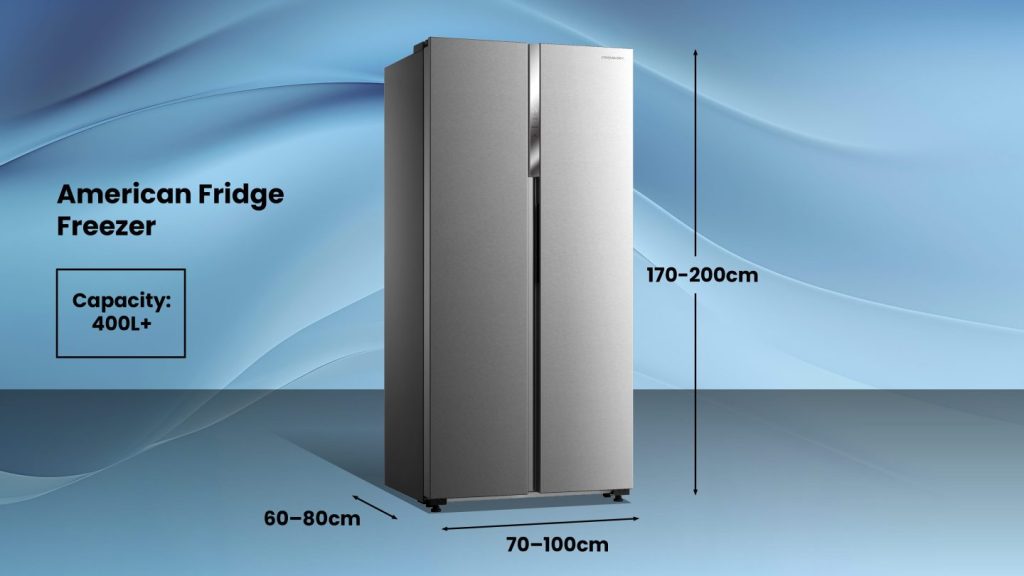
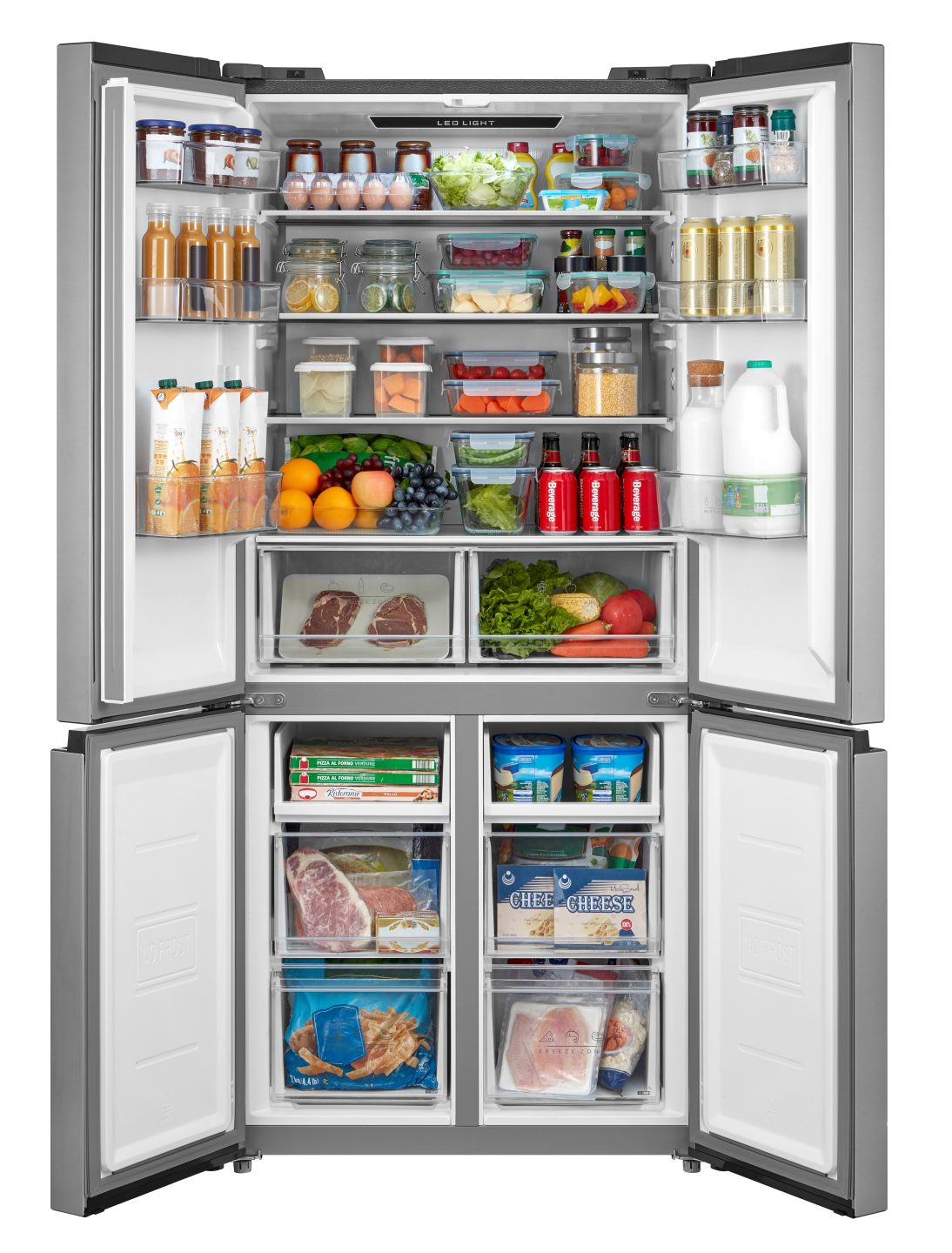
If you’re looking for a large fridge freezer, an American-style model tends to offer the most capacity, but it requires the most space in your kitchen.
The average dimensions of an American fridge freezer are the following:
- Height: ~170–200cm
- Width: 70–100cm
- Depth: 60–80cm.
- Capacity: 400L+
Models designed to fit flush against kitchen worktops typically have a depth of 65cm or less. If the depth is larger than this, expect it to protrude from the standard kitchen worktop.
American-style fridge-freezers come in a double-door design, so while the height and depth are comparable to a standard fridge or fridge freezer, the width is much larger. As they have double doors, American fridge freezers require more door clearance space to open fully. When you’re measuring and choosing a new model, allow additional space for door clearance on each side, especially in smaller kitchens or if your fridge-freezer will be located next to a wall.
The larger size of American fridge freezers means they can accommodate additional features such as water and ice dispensers. If your model has a water dispenser, it may require a plumbed water connection, meaning it will need to be placed near a water supply. Non-plumbed models come with refillable tanks, so they don’t need to be located near a water supply.
Are integrated fridge freezers a standard size?
Yes, integrated fridge freezers usually follow standard dimensions, as they’re designed to fit within a standard 60cm kitchen cabinet.
- Typical widths: 50cm–60cm
- Standard heights: ~178cm for a tall integrated fridge freezer. Integrated under-counter models typically measure 81–85cm.
Integrated fridges and fridge freezers have more rigid sizing than freestanding models, as they are constrained by standard kitchen cabinetry dimensions. There can be some variations, so always measure your current unit before buying a replacement to ensure a flush, precise fit.
What size fridge is right for me?
Now you know what to expect in terms of sizing and capacity, which size of fridge or fridge freezer should you choose? Well, it depends on the size of your household. For one or two people, an undercounter fridge with roughly 100 litres of storage space should suffice – but for families, a larger full-height model with upwards of 300 litres of storage space is recommended.
- Full height fridges: The largest type of refrigerator on the market, full height models are ideal for families and those who love to entertain. Not only do they often come with additional features (like water dispensers), but they also offer more than 600 litres of storage space in some cases. Even the smallest full-height fridges have more than 200 litres of space inside – enough to accommodate all your favourite snacks, drinks and ingredients.
- Under-counter fridges: Half-height fridges (otherwise known as under-counter fridges) are significantly shorter in stature but often every bit as wide and deep as full-height models. Expect upwards of 100 litres of storage space in the most spacious under-counter fridges.
- Mini fridges: Offering between 40 and 70 litres of storage space, mini fridges are by far the most compact option available. Although this rules them out for families, they’re ideal for smaller kitchens or for those in need of a little extra storage space.
Ideal fridge size by household
While the ideal fridge freezer for you will depend on the space you have available and how you use your fridge, we’ve put together a simple table with recommended storage capacities for the average household.
Household Recommended Capacity
1–2 people 100–150L
3–4 people 200–300L
5+ people 300L+
How to measure for a fridge freezer
So, we’ve broken down all the sizes of fridges and fridge-freezers available. Now, how do you ensure your chosen model will fit your space properly and operate efficiently?
Measure your space and allow for ventilation
Before you purchase a new fridge freezer, you should measure your available space. Measure height, width and depth at multiple points, as walls aren’t always perfectly straight, and compare your measurements with your chosen model’s specifications. Remember, you’ll need to leave around 2–5cm around the side and back of your fridge to allow for ventilation.
Check door clearance
Door clearance is also important. Consider any potential obstacles, like nearby walls, cupboards or islands, and ensure there’s enough room for the fridge doors to open fully. For fridge freezers, particularly double-door and American models, make sure there’s room for both doors, plus drawer pull-out space.
Measure your access and delivery space
Fitting your new fridge freezer into your kitchen is just one aspect. You also need to ensure it can get to you safely. Measure any doorways, hallways and staircases, focusing on any tight corners or narrow entry points, and check them against the boxed dimensions of your product to ensure it can be delivered without issue.
Don’t forget plug sockets and additional connections
For fridges and freezers, remember to allow space for plug sockets and any additional connections. If possible, allow at least 2 inches, or up to 5cm, of space behind the unit to accommodate the plug and socket. This will allow the appliance to be plugged in without any unnecessary pressure being placed on the cord.
For integrated models, the plug is often placed in an adjacent cabinet. This allows the fridge to sit flush within the unit.
Explore the Cookology range today
Time to invest in a new fridge or fridge freezer? With dozens of great-value appliances to choose from, Cookology is the place to be. Explore our complete range of fridges and fridge freezers online today.