






A fridge freezer is one of the hardest-working appliances in your home. It’s running continuously, every day, for years on end. So, it’s natural to wonder how long yours is likely to last and when it might be time to start thinking about a replacement.
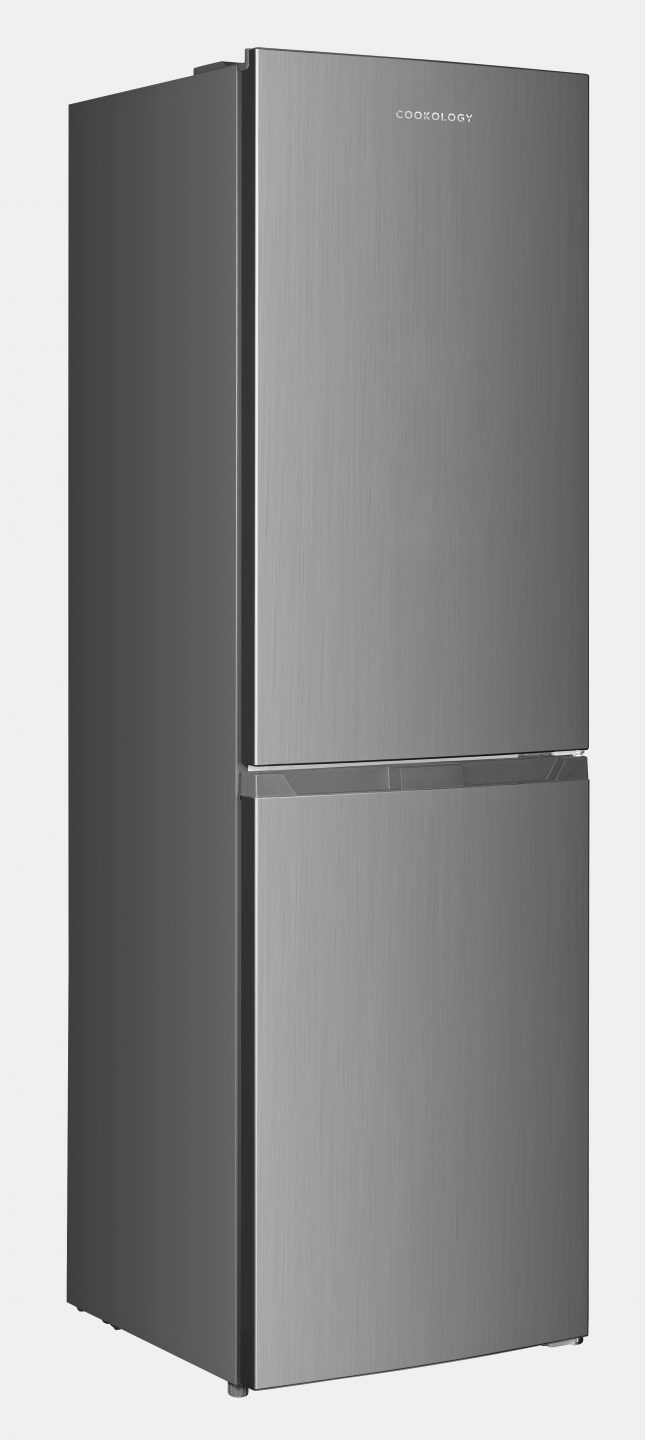
The short answer: most fridge freezers last between 8 and 12 years, with many reaching 15 years or more.
But there’s more nuance to it than a single number, and understanding what affects lifespan can help you get the most out of your appliance – and make a smarter decision when the time comes to replace it.
Let’s dive in.
How long does the average fridge freezer last?
On average, you can expect a fridge freezer to last around 8–10 years. Some will exceed that – quality models can reach 12–15 years with normal use and basic maintenance. Some, particularly older chest freezers and simpler models, have been known to keep running for 20 years or more.
That said, lifespan varies significantly depending on the type of appliance, how it’s used, and how well it’s maintained.
Fridge vs freezer: Which wears out first?
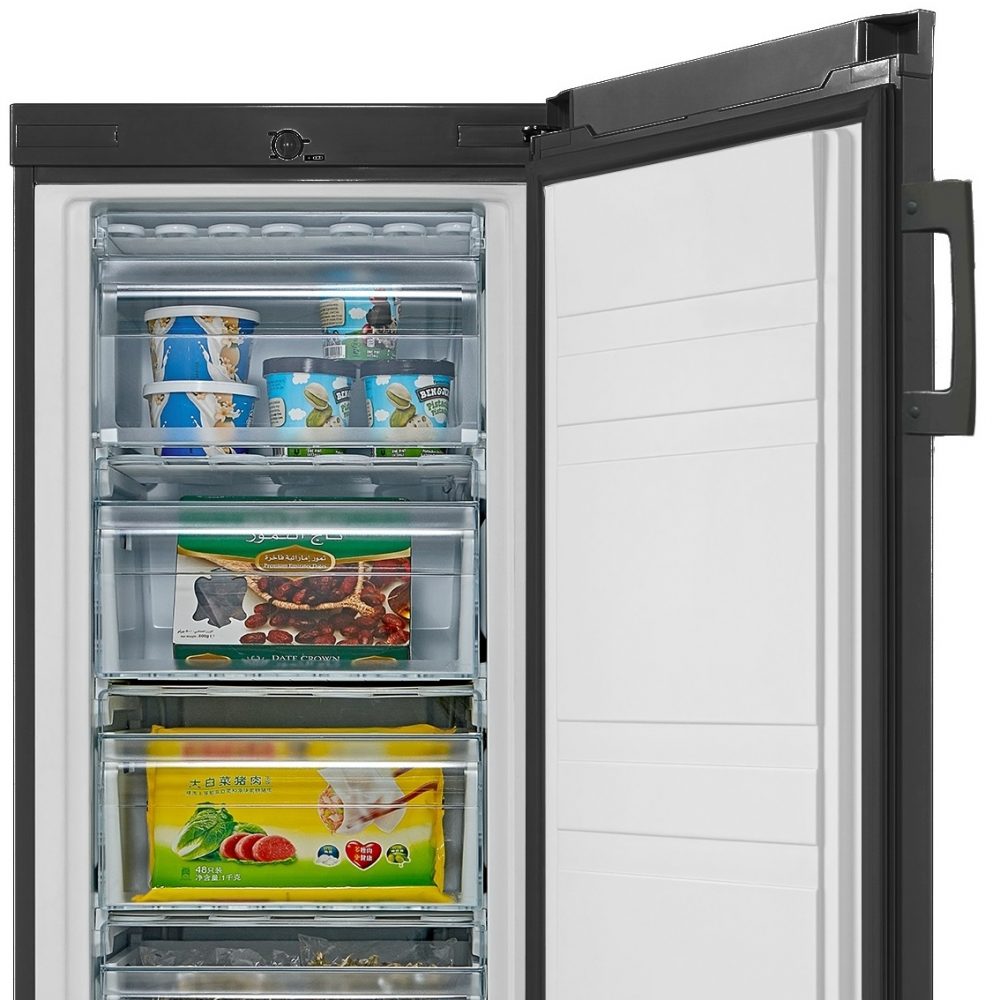
If you have a combined fridge freezer, it’s worth knowing that the two sections age at different rates. Standalone fridges tend to fail before standalone freezers – the average fridge is typically past its best at around 10 years, while a dedicated freezer can last up to 15–20 years.
In a combined unit, this means you’re more likely to notice problems with the fridge section first: temperature inconsistencies, frost build-up, or the motor working harder to maintain the right temperature. The freezer compartment may still be performing perfectly well when the fridge section starts to struggle.
Do modern fridge freezers last as long as older ones?
This is a point worth addressing, because many people notice that older appliances seem to run and run, while newer models don’t always have the same reputation for longevity.
There is some truth to this – but it’s not the full picture.
Older appliances were built with simpler, heavy-duty mechanical components. Think analogue: basic compressors, straightforward thermostats, and minimal electronics. No circuit boards and fewer moving parts overall meant fewer things that could go wrong. A chest freezer from the 90s might still be running today, simply because there isn’t much to break.
It’s good to remember that survivorship bias also comes into play. Countless older appliances would have broken down decades ago, but no one remembers them, because an appliance with an average lifespan isn’t noteworthy. The ones still running today represent the highest-quality exceptions, not necessarily the standard.
In comparison, modern fridges and freezers are infinitely more sophisticated than older models. Digital control boards, touch interfaces, humidity sensors, multi-zone cooling systems – you name it, and you can probably find it. Increasingly, fridge freezers come packed with features that deliver very real benefits, like better energy efficiency, quieter operation, more precise temperature control, and frost-free technology. However, they also introduce more elements that can age, fail, or need to be replaced.
The trade-off is in the added benefits and efficiency. An older appliance still running after 20 years could be using two or three times as much electricity as a modern equivalent. A newer, energy-efficient fridge freezer could save enough on energy bills over a few years to offset its cost. It’s worth remembering that, even though some old appliances technically last longer, they may be costing much more to run than newer models.
The bottom line? Modern fridge freezers may not outlast the hardiest older models. What they do offer is significantly better features and energy savings.
How long should an American fridge freezer last?
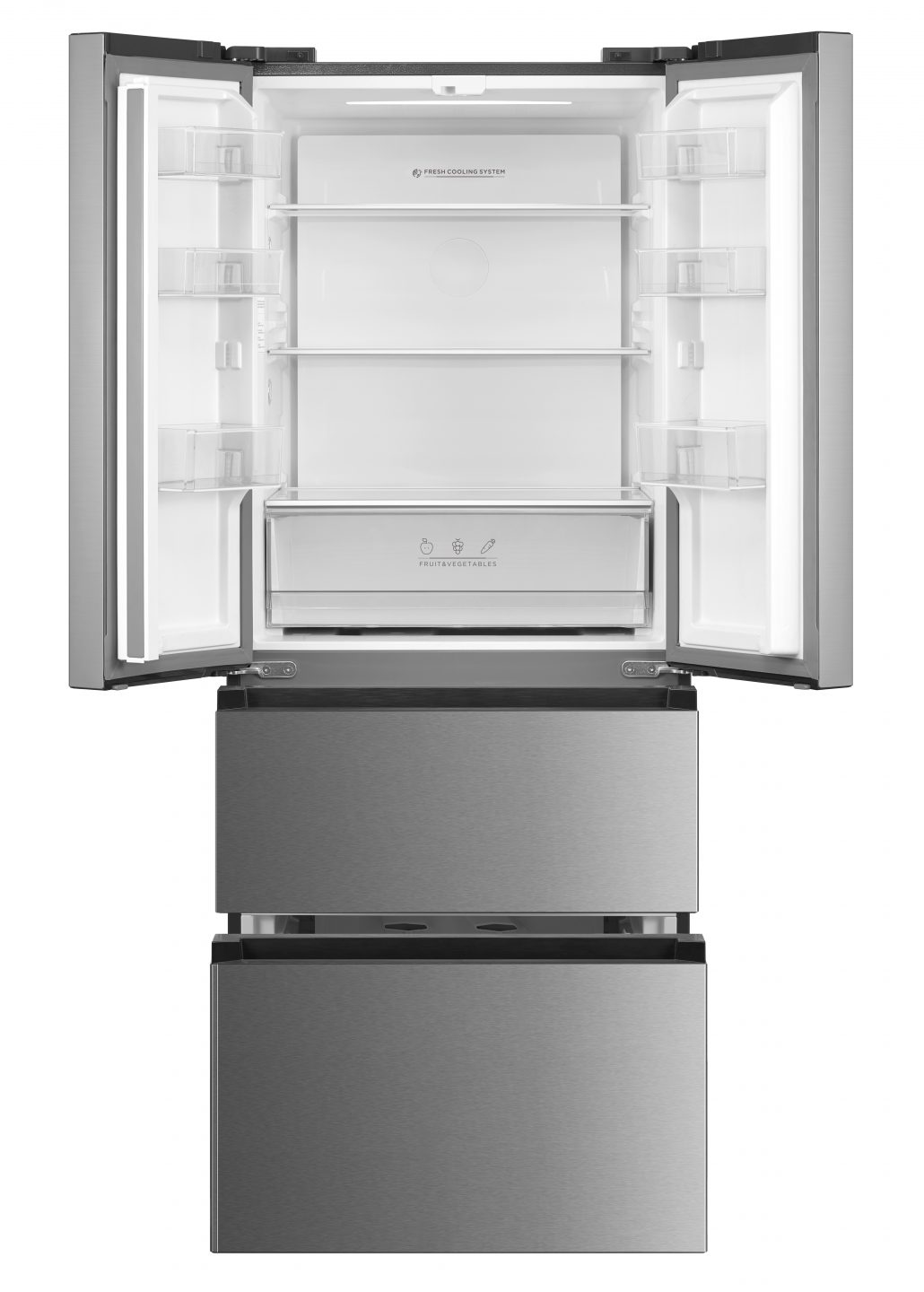
American-style fridge freezers (and side-by-side or French door models) follow a broadly similar lifespan to standard fridge freezers – typically 8–12 years – but there are some considerations specific to this type of appliance.
American models are usually more complex in design, with additional features like ice makers, water dispensers, and more sophisticated cooling systems across multiple zones. This introduces more potential failure points: ice maker faults and water dispenser issues are among the most common repair calls on American-style units. Regular servicing and prompt attention to minor faults can extend their lifespan considerably.
The larger size also means a bigger energy footprint, which makes keeping an older, less efficient American fridge freezer running less economical over time. If yours is approaching the 10-year mark and requiring repairs, replacement with a more energy-efficient model is usually the more cost-effective choice.
When should you replace your fridge freezer?
Fridge freezers don’t often fail without warning – you’re more likely to notice a gradual decline in performance. Here are six signs to look out for:
- Food is spoiling sooner than it should
If food is going off before its use-by date, your fridge may no longer be maintaining a safe temperature. In the UK, fridges should stay at or below 5°C – if yours is struggling to do that consistently, it’s a problem.
- It’s making unusual noises
A certain amount of noise is normal – the hum of the compressor, the occasional click of the thermostat. But loud buzzing, rattling, or grinding sounds are a warning sign. They often point to a worn or failing compressor motor working harder than it should to maintain temperature.
- Condensation is forming on the outside of the unit
Moisture forming on the exterior of your fridge freezer usually indicates that the door seals are failing, letting warm air in and cold air out. Damaged seals force the appliance to work harder and can significantly reduce its lifespan if left ignored.
- You’re noticing excessive frost build-up
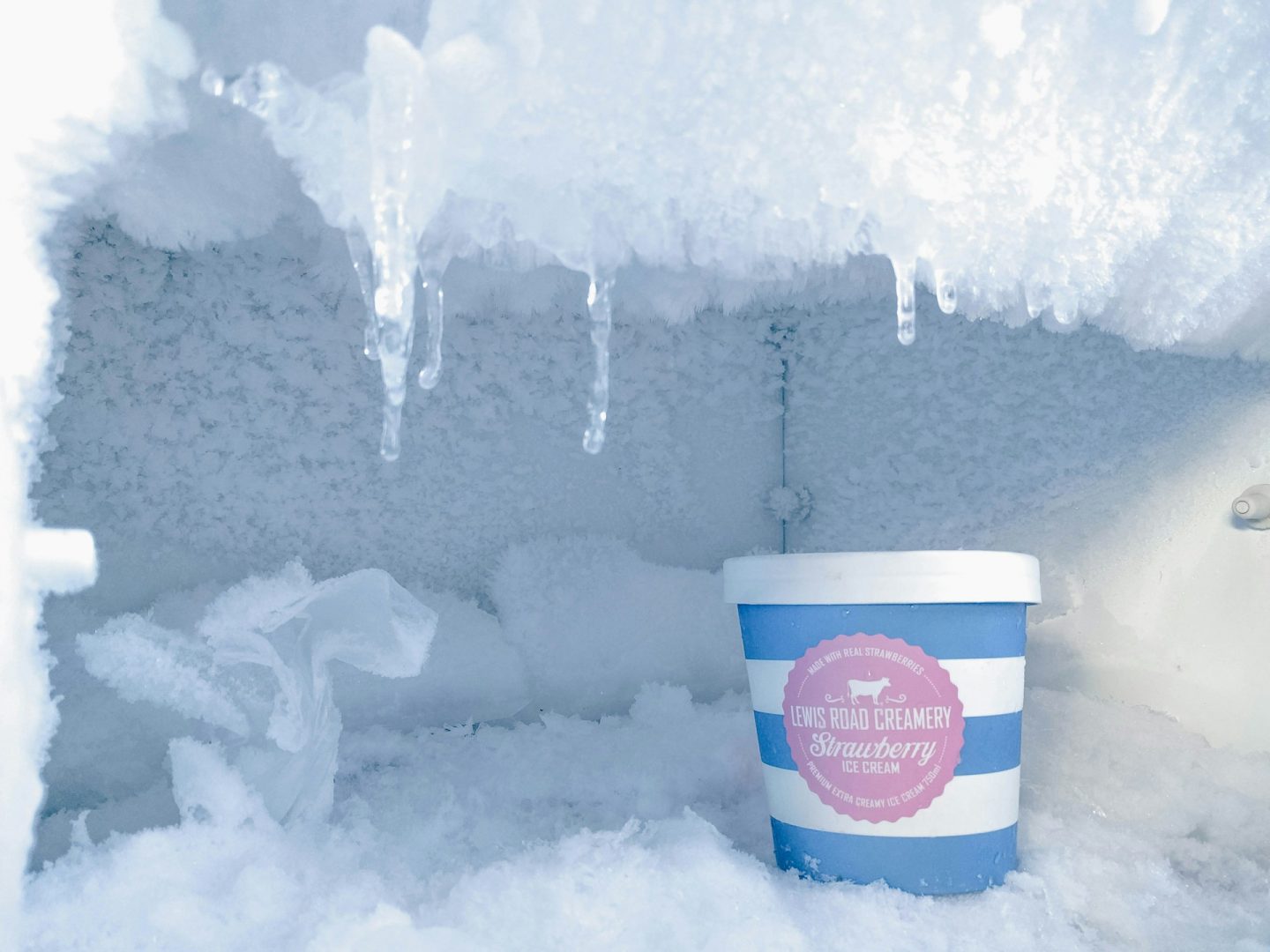
Even non-frost-free models shouldn’t need defrosting very frequently. If frost or ice is building up quickly, the appliance may be struggling to regulate its internal temperature – a sign that components are beginning to fail.
- The coils at the back feel excessively hot
The coils on the rear of your fridge freezer will naturally be warm to the touch – that’s normal. But if they’re running very hot, the compressor is likely working harder than it should, which can indicate an underlying problem.
- Rising energy bills
An ageing fridge freezer that’s losing efficiency will draw more power to maintain the same temperature. If your energy consumption has crept up without an obvious reason, your fridge freezer could be a contributing factor.
The signs above are the obvious triggers, but there are a couple of other factors worth weighing up:
Age and repair costs
Once a fridge freezer passes the 10-year mark, it’s worth thinking carefully before investing in repairs. A general rule of thumb: if the repair cost is more than half the price of a comparable new appliance, replacement is usually the better investment. Older appliances are also more likely to encounter further problems shortly after one repair.
Energy efficiency
An older fridge freezer that’s still technically working may still be costing you more than it should. Modern A-rated models are significantly more efficient than appliances made a decade ago. If your current fridge freezer is pre-2021 (before the updated EU energy label came into effect), it may be using considerably more electricity than a modern equivalent – and the savings from switching could offset the cost of a new appliance within a few years.
Declining performance, not sudden failure
Most fridge freezers don’t simply stop working overnight. The more common pattern is a gradual decline: seals start to split, temperatures become less consistent, frost builds up more quickly, and noise levels increase. If you’re noticing a steady deterioration rather than a single dramatic failure, that trajectory is worth taking seriously.
How to maximise the lifespan of your fridge freezer
Good maintenance can make all the difference to how long your appliance lasts. Here’s what to focus on:
Clean the condenser coils
The coils on the back or underneath your fridge freezer dissipate heat. When they’re coated in dust and debris, the appliance has to work harder to cool itself, putting extra strain on the compressor. Vacuuming or brushing the coils once or twice a year is one of the most effective maintenance steps you can take.
Check and clean the door seals
Dirty or damaged door seals are a common cause of inefficiency. Wipe the seals regularly with warm, soapy water and check for cracks or deformation. A simple test: close the door on a piece of paper – if you can pull it out easily, the seal isn’t doing its job.
Replace water filters on schedule
If your appliance has a water dispenser or ice maker, replace the filter as recommended by the manufacturer (typically every six months). Clogged filters force the system to work harder and can cause premature wear.
Position your appliance correctly
Place your fridge freezer away from heat sources – ovens, radiators, and direct sunlight – and ensure there’s plenty of ventilation around the sides and rear. Appliances in consistently warm environments work harder and wear out faster. Aim for a location with a stable ambient temperature.
Don’t overfill or underfill it
A fridge freezer that’s completely jam-packed struggles to circulate air and maintain consistent temperatures. One that’s nearly empty loses cold air rapidly every time the door is opened. A reasonably stocked fridge freezer – around two-thirds full – is the most efficient to run.
Defrost regularly
If your model isn’t frost-free, defrost it before ice build-up exceeds about 5mm. Heavy frost acts as insulation, making the appliance less efficient and forcing the compressor to work harder.
In summary, most fridge freezers will serve you well for 10 years or more with the right care. Once your appliance passes this point – or starts to display some of the warning signs we’ve discussed – it might be time to start thinking about a newer model.
If you’re looking for a new fridge freezer, we’ve got you covered. Explore the range of fridges, freezers, and fridge freezers at Cookology, where you can find everything from large freestanding American-style refrigerators to integrated under-counter options.
Find your next fridge freezer at Cookology
In the market for a new fridge freezer? We’ve got you covered here at Cookology. Explore our complete range and place your order online today.