


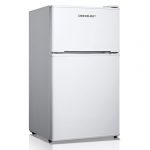
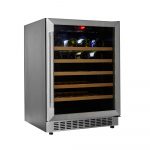












As spring arrives, millions of households across the UK prepare to tuck into an estimated 80 million Easter eggs. However, a seasonal dispute often divides the kitchen: should your seasonal chocolate be kept in the cupboard, or the fridge?
To settle the debate, Cookology founder Andrew Wright has shared his definitive guide to maintaining the perfect ‘snap’ and flavour profile of your sweet treats.
The Verdict? Cool, not Cold
Whilst personal preference plays a significant role, the goal is to avoid extremes. The ‘sweet spot’ for chocolate storage is balance.
Choosing between the larder and the refrigerator involves weighing up a few different environmental factors, depending on how you like your chocolate.
In the cupboard, mild temperatures prevent ‘sugar bloom’, that unappetising white, powdery film caused by sugar dissolving and recrystallising in high humidity. However, the bulky Easter egg packaging can quickly clutter your storage space. Cupboard storage is best for the texture and “snap” that so many chocolate lovers look for.
In the fridge, your chocolate avoids the rising temperatures of the springtime, avoiding any melting ahead of Easter weekend. The downside, though, is that these high moisture levels can compromise the texture and appearance of the chocolate. It must be kept in the correct storage conditions inside the fridge to retain its distinctive flavour.
Cookology’s Golden Rules for Easter Egg Storage
To ensure your chocolate remains at its best, we recommend following a few key rules, depending on your personal preference:
- The 18-degree Rule
Scientifically speaking, the ideal storage temperature for chocolate is eighteen degrees. Maintaining this consistent temperature ensures that the cocoa butter remains stable, preserving both the glossy finish and the structural integrity of the egg.
As long as you’re ensuring the eggs avoid unnecessary heat and warmth and that your Easter eggs remain under eighteen degrees Celsius, you should have the perfect supplies for your egg hunts as Easter weekend rolls around.
- Use Airtight Containers
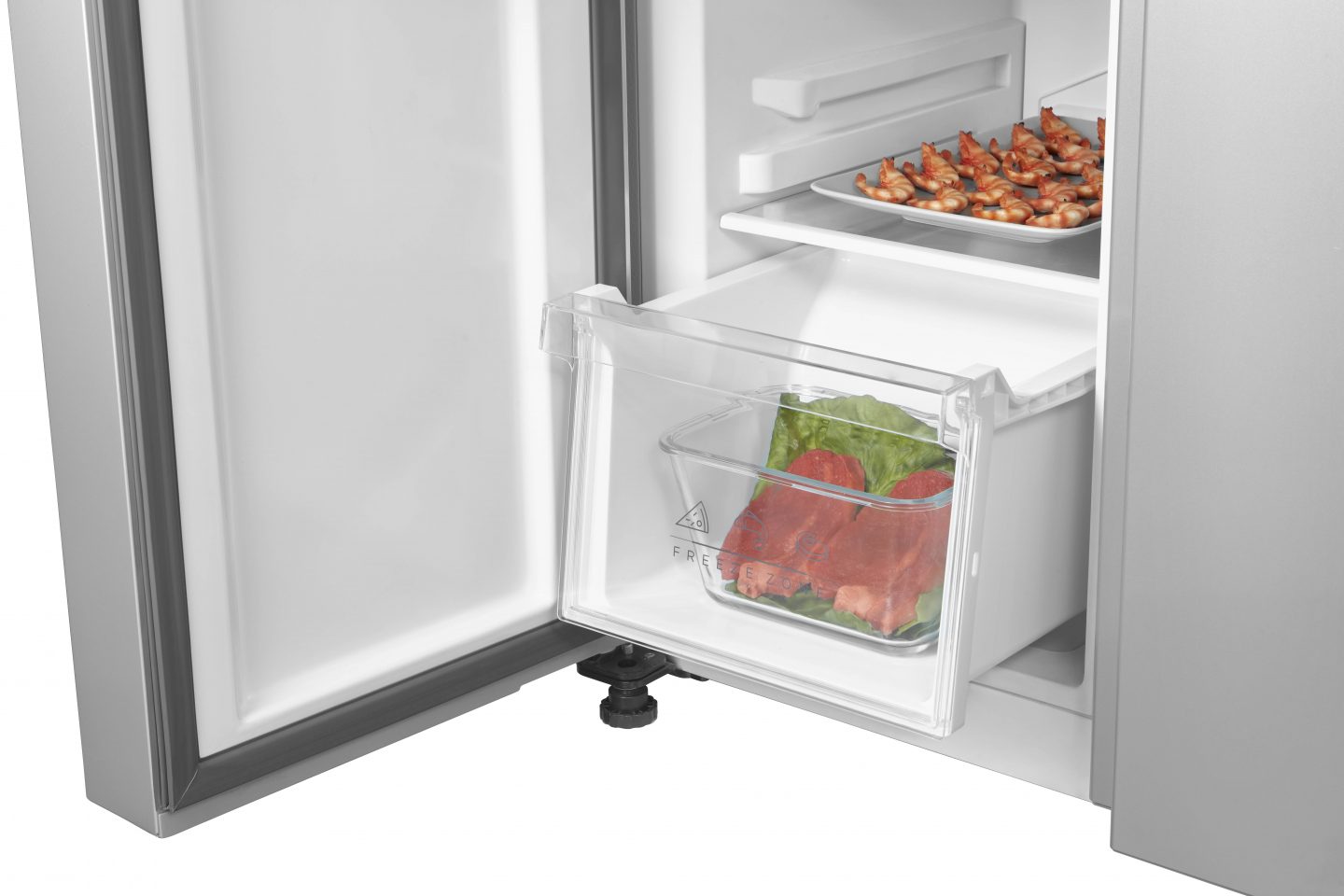
If you prefer your chocolate chilled, or live in a particularly warm home, you can use airtight containers to reduce the impact of thermal shock, when temperature fluctuations cause the chocolate’s flavour and texture to change, both in a warmer cupboard or a colder fridge. These containers can also remove the need for unnecessary cardboard packaging, especially once opened on Easter Sunday.
- If You Must Use the Fridge, Keep It in the Door
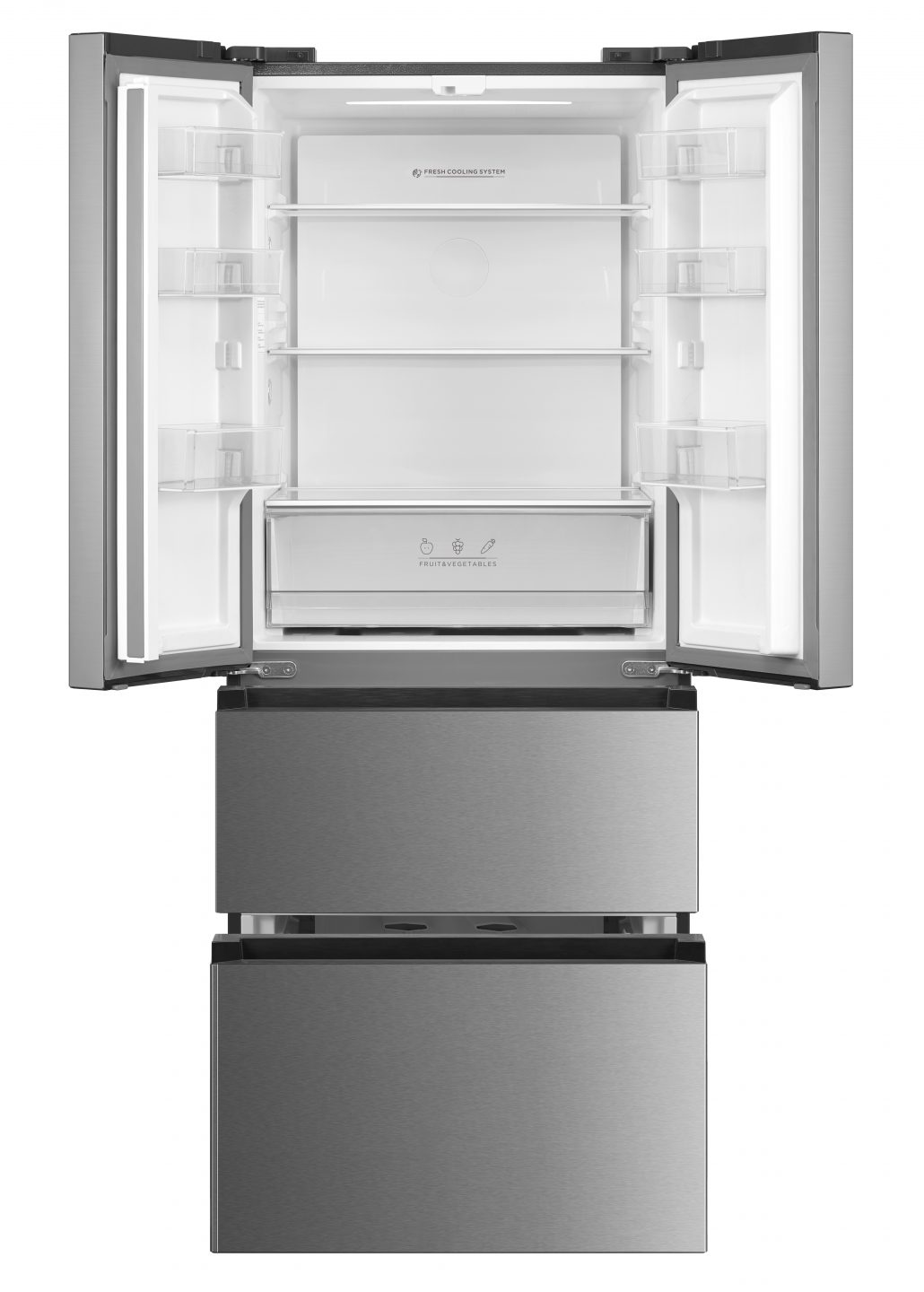
If your home is too warm for cupboard storage, or you stand on the ‘chocolate goes in the fridge’ side of the debate, we recommend storing your airtight containers in the fridge door, rather than the back of the shelf. The door is slightly warmer, because of consistent opening and closing, and is subject to less intense temperature fluctuations, which can help you maintain the flavour profile of your treats.
Ultimately, it’s about using the science to support your preference. Whether you like your chocolate out of the fridge or out of the cupboard, using kitchen expertise can keep your purchases fresher and tastier for longer.
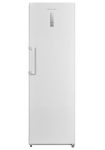
Looking to upgrade your kitchen storage this spring? Explore our refrigeration range, perfect for precision temperature control.