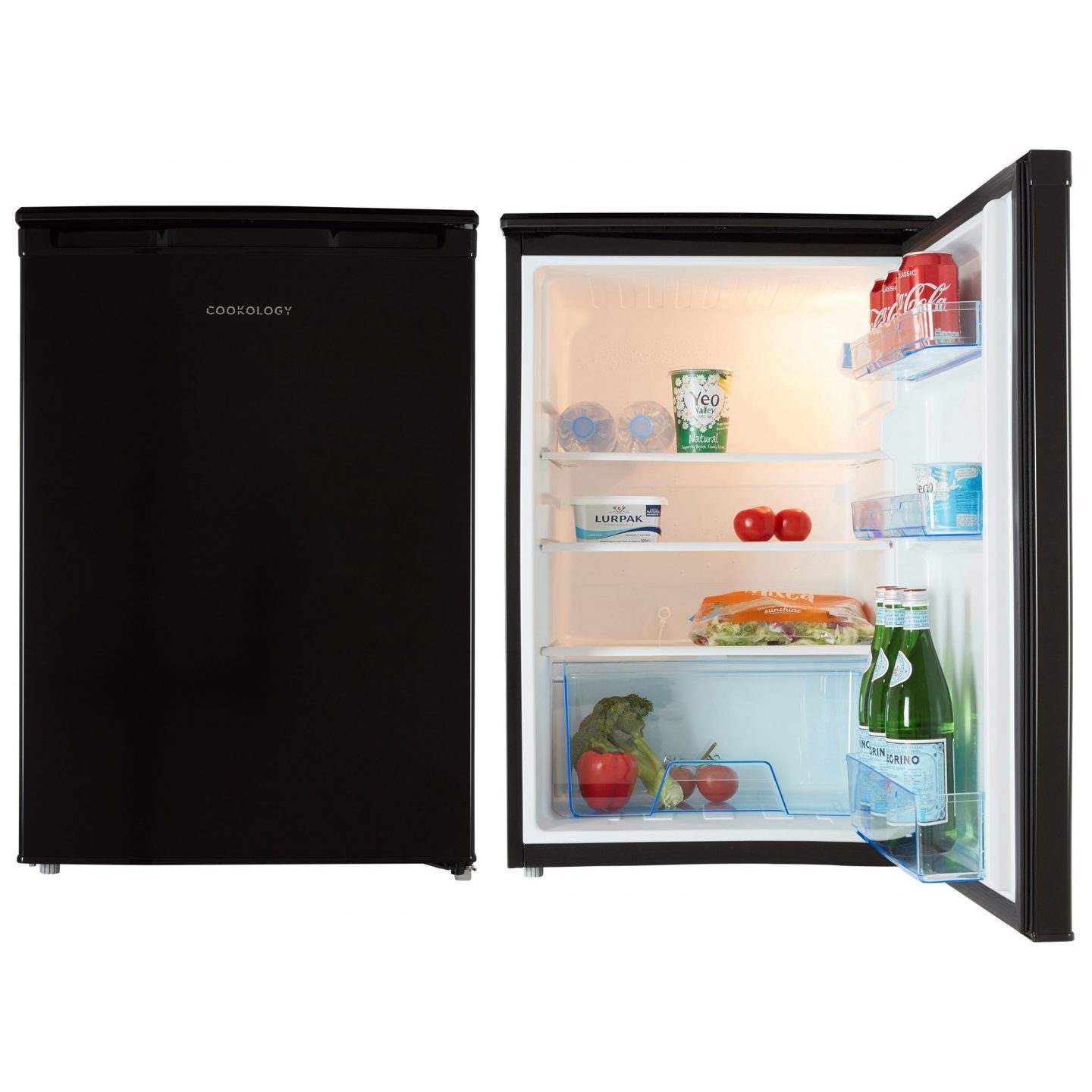


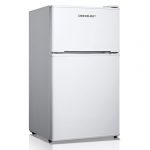
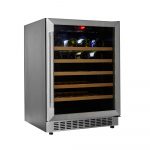
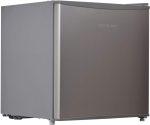
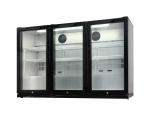



Are you looking for additional fridge or freezer storage? You may be wondering whether you can keep it in the garage. The quick answer? Yes, you can put a fridge in your garage. However, whether it will actually work reliably is a different question.
A standard fridge or fridge-freezer isn’t usually designed with garage or outbuilding conditions in mind. Fluctuating temperatures, damp air, and cold British winters can all affect performance – and, in some cases, your food. If you want a garage fridge or freezer that works all year round, you’ll need to think carefully about the type of appliance you use and ensure it is fit for purpose.
In this guide, we’ll cover everything you need to know: why people use a garage fridge or freezer, which type works best, what problems to look out for, and which models are best for outbuildings.
Why do people keep a fridge or freezer in the garage?
The second fridge in the garage is practically a British institution. There are plenty of good reasons to have one:
- Extra storage. A whole additional fridge for storage is especially useful for busy households where the fridge is constantly full.
- Overflow space. Ideal for bigger shops, batch cooking, or meal prep.
- Drink storage. Garage fridges are perfect for storing cold beers, soft drinks, or wine without cluttering up the kitchen.
- Great for larger appliances. Chest freezers are larger by nature and rarely fit comfortably in the kitchen; the garage is an ideal location for them.
- Entertaining. If you’re planning for events, parties, summer BBQs, or the festive season, an extra fridge provides more capacity.
For many households, a second appliance in the garage isn’t a luxury – it’s a genuinely practical solution to a space problem.
Can I put a fridge in my garage?
Yes, but it depends on the fridge and the conditions. A standard fridge is designed to work within a certain ambient temperature range, and it is pretty narrow – typically between 10°C and 38°C. In a UK garage, winter temperatures can drop well below that, especially overnight.
When the ambient temperature outside the fridge falls too low, the thermostat – which monitors the temperature around the appliance – can interpret the cold air as a sign that no cooling is needed. So, it switches off, and the fridge warms up. Anything stored inside is then at risk.
If you’re storing drinks rather than perishables, the stakes are lower. Plenty of people use an older fridge in the garage purely for chilling drinks, as there’s no risk of the products spoiling. For that purpose, a standard model occasionally can work well enough in milder seasons.
Can I put a freezer in my garage?
A standalone freezer generally handles garage conditions better than a fridge. Because the internal temperature target is much lower, the thermostat is less likely to be fooled into switching off by cold ambient air.
That said, not all freezers are ideal for garages. A standard upright freezer may still struggle in very cold conditions, and issues with moisture, condensation, and temperature fluctuation can shorten the lifespan of any appliance.
For reliable freezer storage in a garage, look for a model that’s specifically rated as suitable for outbuildings. Chest freezers – which tend to be more robust and efficient in varying temperatures – are a popular choice and are the type most commonly sold for garage use.
Can I put a fridge-freezer in my garage?
Fridge-freezers are where things can get more complicated.
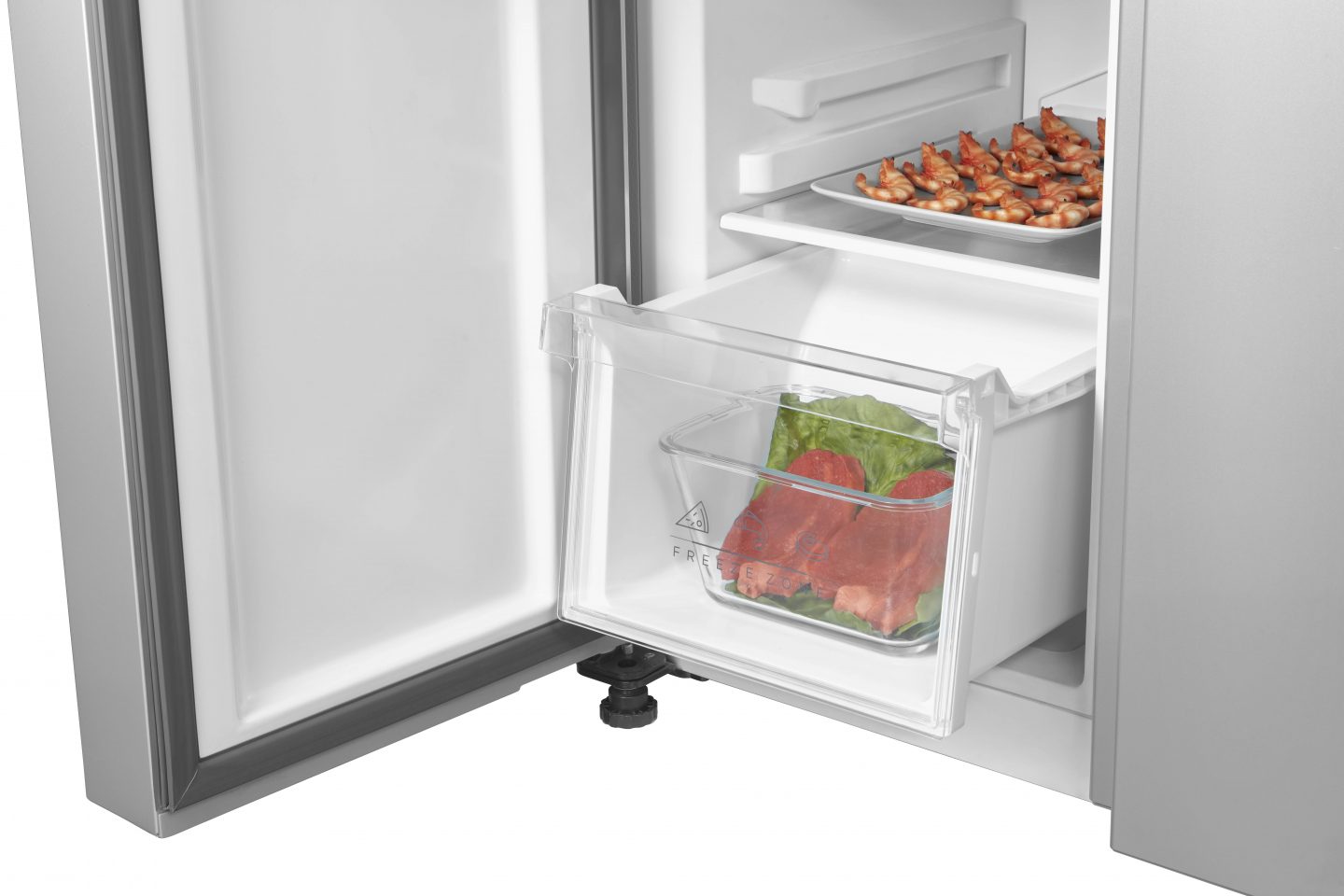
Many fridge-freezers use a single thermostat to regulate temperature, and it’s usually located in the fridge section. In colder outbuilding conditions, this thermostat can sense the cold ambient air and cut the compressor. This often isn’t an issue for the fridge – it stays at a stable temperature because the garage itself is cold. However, the freezer section, which needs to stay far colder, can begin to warm up. Frozen food can start to defrost, which is not just wasteful but also unsafe.
It’s because of this that a standard fridge-freezer is not the most reliable choice for an unheated garage, particularly in winter. If you want a combined fridge-freezer in the garage, look for a model specifically designed for outbuilding use. These usually have adapted thermostats or specialist heating elements to compensate for the colder surrounding temperatures.
What type of fridge or freezer is best for a garage?
The best type of fridge and freezers for garages are outbuilding-ready. This means they’re built to cope with the varying temperatures of an unheated space.
Here’s how some of the main types stack up:
Chest freezers
Chest freezers are the most popular choice for garage use. They’re well insulated, efficient, and robust, with many models designed specifically for outbuildings. A chest freezer is ideal if you want reliable frozen food storage. It can hold a significant amount and keeps things frozen effectively even in colder weather. Some models, like those we sell at Cookology, also come with a chill function, meaning the appliance can be used as overflow fridge storage if needed.
Outbuilding-rated fridge-freezers
Some fridge-freezers are specifically designed for garage conditions. They’re adapted, with built-in heaters or adjusted thermostats, meaning they can maintain temperatures accurately even when it’s cold outside. If you need both fridge and freezer storage in your garage, this is the type to look out for. Always check the technical specifications before buying – at Cookology, we list whether each model is suitable for outbuilding use on the product page.
Standard fridges
A standard fridge can be fine for storing drinks in mild conditions, but it isn’t recommended for perishable food storage in an unheated garage throughout winter. If you’re using an old fridge you’d rather not worry about, keeping it for drinks only is a sensible choice.
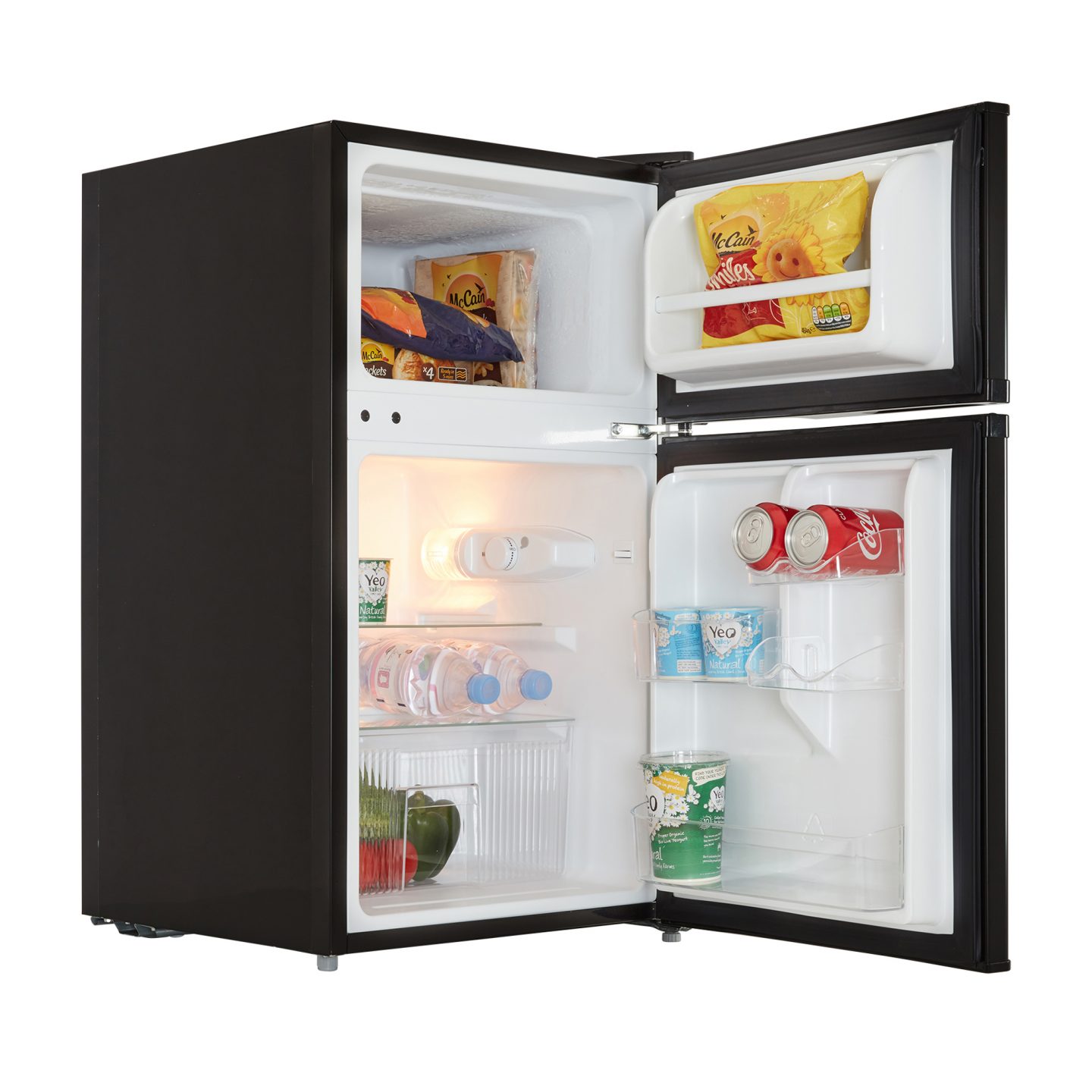
Is it okay to put a mini fridge in the garage?
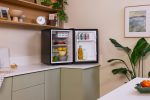
Mini fridges are designed to be compact and portable, making them seem an appealing option for garages. They work fine in stable, moderate temperatures, but they’re still often subject to the same thermostat limitations as full-size fridges.
In an unheated garage, a mini fridge will struggle during cold winters. It’s a reasonable choice for keeping drinks cool in the warmer months, but it’s not an ideal long-term solution for food storage. As with a standard fridge, the main risk is the thermostat shutting down when the ambient temperature drops too low.
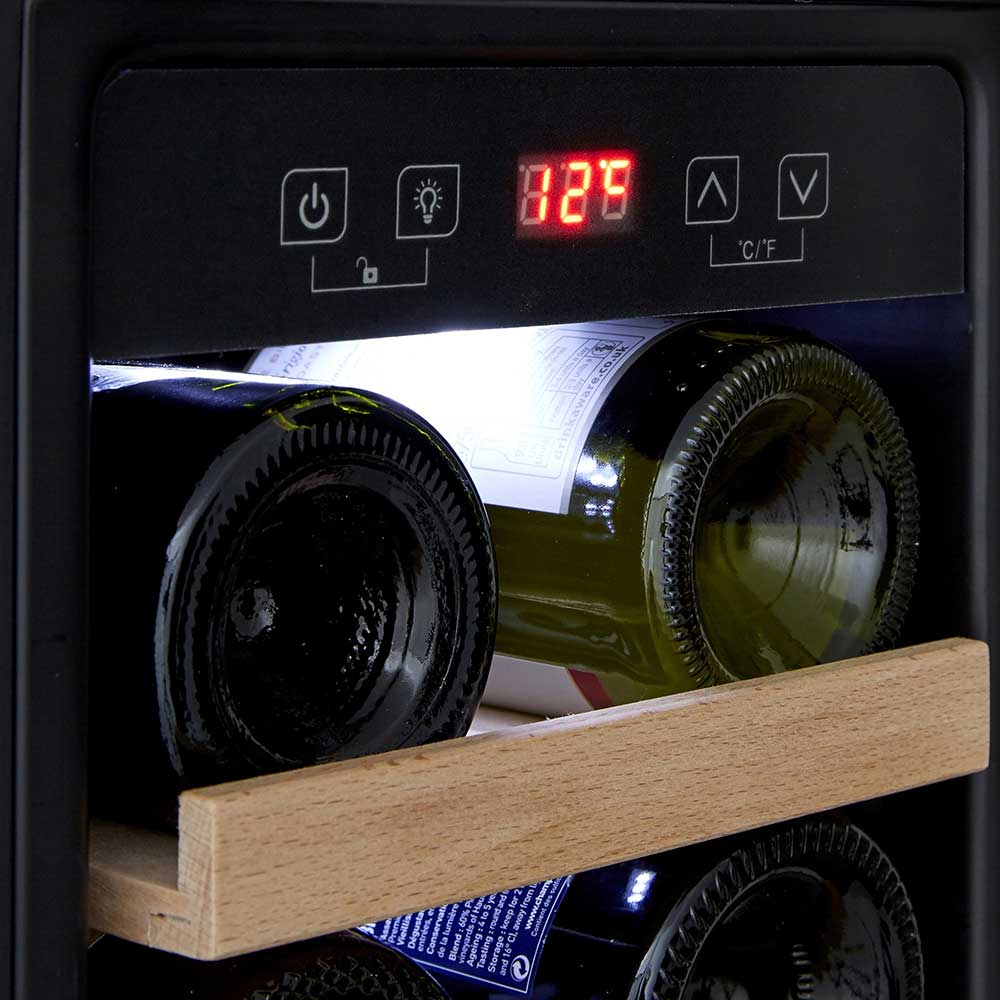
Is it okay to put a wine fridge in the garage?
Wine fridges are a popular choice for additional cooling storage, which makes sense; they’re a great way to keep your drinks stocked up at the right temperature without taking up too much space in the kitchen.
However, it’s important to note that most wine fridges are designed for indoor use in stable temperatures, rather than to cope with the cold temperatures of an unheated garage. In very cold conditions, the compressor may cycle on and off, or the appliance may simply stop working as it’s meant to.
If you want to store wine or other beverages in the garage, look for a model with a wider ambient temperature range or one specifically designed for outbuilding use. Temperature fluctuations aren’t great for keeping the quality of your wine at its best, so most standard wine coolers will not only perform badly in a garage, but the wine could suffer too.
Does a fridge work in an unheated garage?
This is the key question – and the main reason garages aren’t always suitable for fridges and freezers. Without heating, a garage’s temperature will greatly fluctuate depending on the temperature outside, often falling well beyond what a fridge or freezer is designed for.
Most fridges are tested and rated for an ambient temperature range of around 10°C to 38°C (SN to T climate class). In a typical UK garage without heating:
- Summer temperatures are generally fine. Garages can get warm, but they usually stay within the necessary range.
- Mild autumn and spring conditions are usually manageable.
- Winter is when you’ll face issues. Temperatures can regularly drop below 10°C – often closer to or even below freezing.
If the space falls beneath the rated minimum range, the thermostat may stop cooling, leading to the interior temperature of the fridge rising. Anything stored inside, especially perishables like meat, dairy, or leftovers, can spoil.
If you need reliable storage for chilled or frozen food throughout winter, the answer is clear – choose an appliance specifically rated for outbuilding use. These fridges and freezers are built to maintain their temperatures even when the garage drops below the standard range.
If your garage is insulated and/or heated, with climate control that enables a consistent temperature, it will usually be safe for both fridges and freezers.
What are the common problems with keeping a fridge in the garage?
As we’ve explained, keeping a fridge or a freezer in the garage can cause problems. Here are the issues most people encounter when keeping their refrigerators in outbuildings:
Temperature extremes
Both very cold and very hot temperatures can cause problems. In the UK, cold winters are the biggest cause for concern, as they can cause the thermostat to shut off and the internal temperature of your fridge to increase. In summer, the garage can also get surprisingly hot. If it exceeds the standard upper temperature limit, this can put extra strain on the fridge compressor.
Moisture and condensation
Garages and outbuildings can naturally be damp environments. Condensation on the outside of your appliance can cause rust and damage to both the casing and internal components.
Food safety risks
If the fridge thermostat turns off and you’re not checking the fridge regularly, perishable food items can reach unsafe temperatures without any obvious warning signs. This is particularly risky with meat, dairy, and cooked leftovers, which could make you ill if they’re consumed.
Reduced fridge lifespan
Appliances that aren’t designed for fluctuating temperatures will need to work harder warming up and cooling down to compensate. This wears out the compressor quickly, significantly shortening the lifespan of the appliance.
Freezer defrost issues
In very cold conditions, frost can build up inside the freezer section. Some models may have difficulty managing their automatic defrost cycles correctly.
Tips for keeping a fridge or freezer in an outbuilding
If you want to keep a fridge or freezer in the garage, here are some practical steps to improve performance and longevity.
- Choose the right model. If you’re buying a new appliance specifically for an outbuilding, check the technical specifications and ensure it’s suitable.
- Position it carefully. To keep the temperature as stable as possible, position the appliance away from exterior walls, as cold and/or damp conditions will be worse here. If possible, place the appliance against an interior wall.
- Keep it dry. A garage with moisture issues is not ideal for your appliances. Consider a dehumidifier and try to ensure walls and floors are sealed. If you have leaks or any standing water, avoid storing your appliance nearby.
- Check the temperature regularly. Keep an eye on your appliance to ensure everything is working as it should, especially through the colder winter months or during particularly hot spells. If you notice the internal temperature of the fridge is higher than expected, it could indicate the thermostat has cut out.
- Don’t store anything you can’t afford to lose. If you use a standard fridge or freezer that isn’t rated for outbuilding use, stick to low-risk items that can’t spoil, like drinks.
- Maintain the appliance regularly. Outbuildings such as garages are colder and usually dirtier than the home, so the appliance will accumulate frost and grime faster. Defrost and clean it regularly to extend its lifespan.
What are the ideal conditions for a garage fridge?
For a standard fridge or freezer, the ideal garage conditions are:
- A consistent ambient temperature, ideally between 10°C and 32°C
- A dry environment with low humidity
- Good air circulation and ventilation around the appliance itself
- Protection from direct sunlight, moisture, wind, and heat sources
A fridge or freezer specifically designed for outbuildings extends the usable temperature range significantly, meaning the appliance can function down to around 0°C or potentially even lower. Most unheated garages in the UK regularly drop beneath 10°C in winter, so an outbuilding-rated appliance isn’t just preferable – it’s needed to run effectively.
What can you store in a garage fridge?
The safest items for garage storage are:
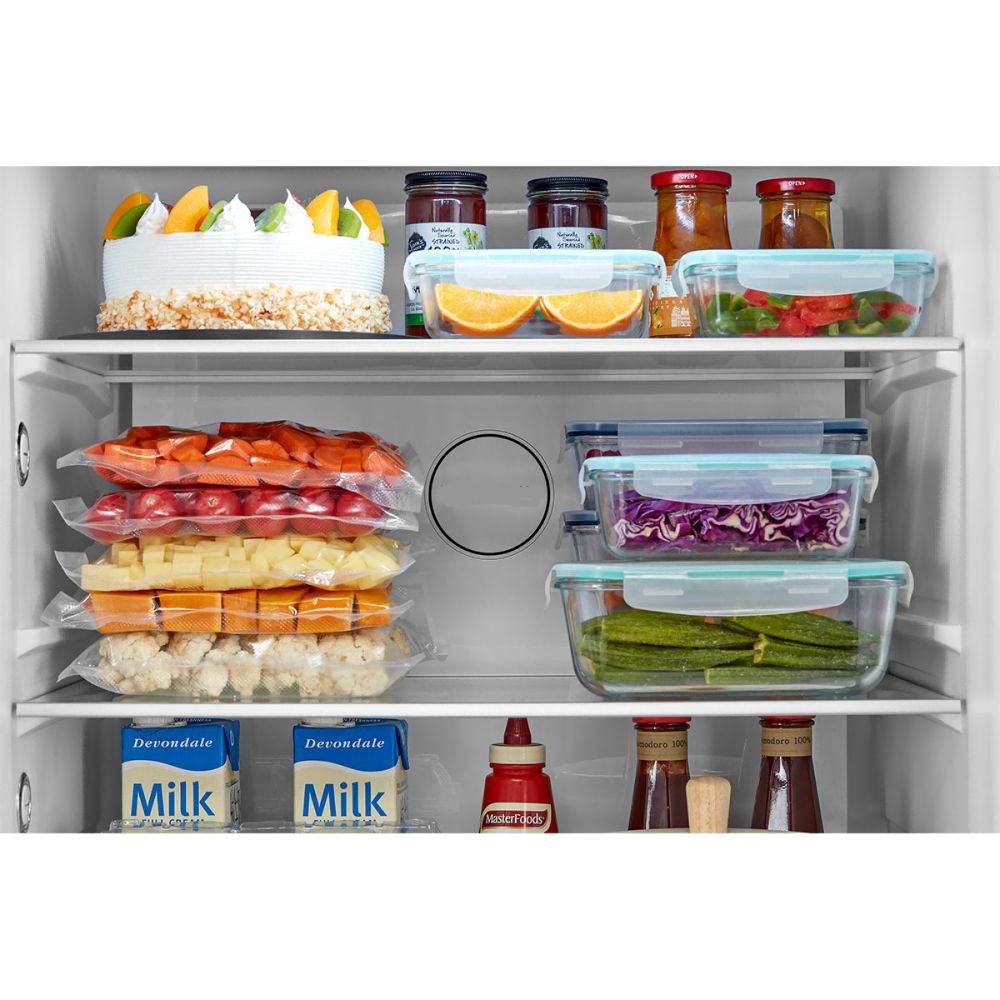
- Drinks – cans, bottles, sparkling water, and similar low-risk beverages
- Whole fruits and vegetables, which can tolerate minor temperature changes better than meat or dairy products
- Condiments and sauces
- Frozen goods (in an outbuilding-rated chest freezer)
You should approach the following items with caution and only store them outside if you have an outbuilding-rated refrigerator or freezer:
- Raw or cooked meat
- Dairy products such as milk, cheese, and butter
- Leftovers and prepared meals
- Anything where temperature fluctuation could make it unsafe to consume
The best garage fridges and freezers from Cookology
If you want reliable storage for fresh and frozen foods in your garage, we’d always recommend choosing an appliance that’s built for it. At Cookology, our outbuilding-rated models are specifically designed to handle the temperature fluctuations you can expect in an unheated garage, so you don’t have to take any risks with your food.
We’d recommend:
Chest freezers
Chest freezers are the most popular choice for garage storage, for good reason. They’re efficient, well-insulated, and many models are rated as suitable for outbuildings.
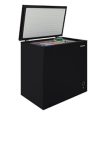
The Cookology 99L Black Chest Freezer with Chill Function is one standout option. As well as your standard deep-freeze capability, it also includes a chill function, meaning it can double up as a chiller for drinks or overflow fridge items if needed. It’s a versatile, garage-ready choice that works well for households that want flexible storage.
If you’re browsing at Cookology, look for our CCFZ chest freezer range, which is designed for garages or outbuildings. You can find smaller, compact options, as well as larger 400L+ chest freezer models, to suit your household needs.
Outbuilding-ready fridges and freezers
Aside from chest freezers, you can also find some other outbuilding-safe appliances. Look for products with a wide climate class range, as these are designed to perform in a wider range of ambient temperatures.
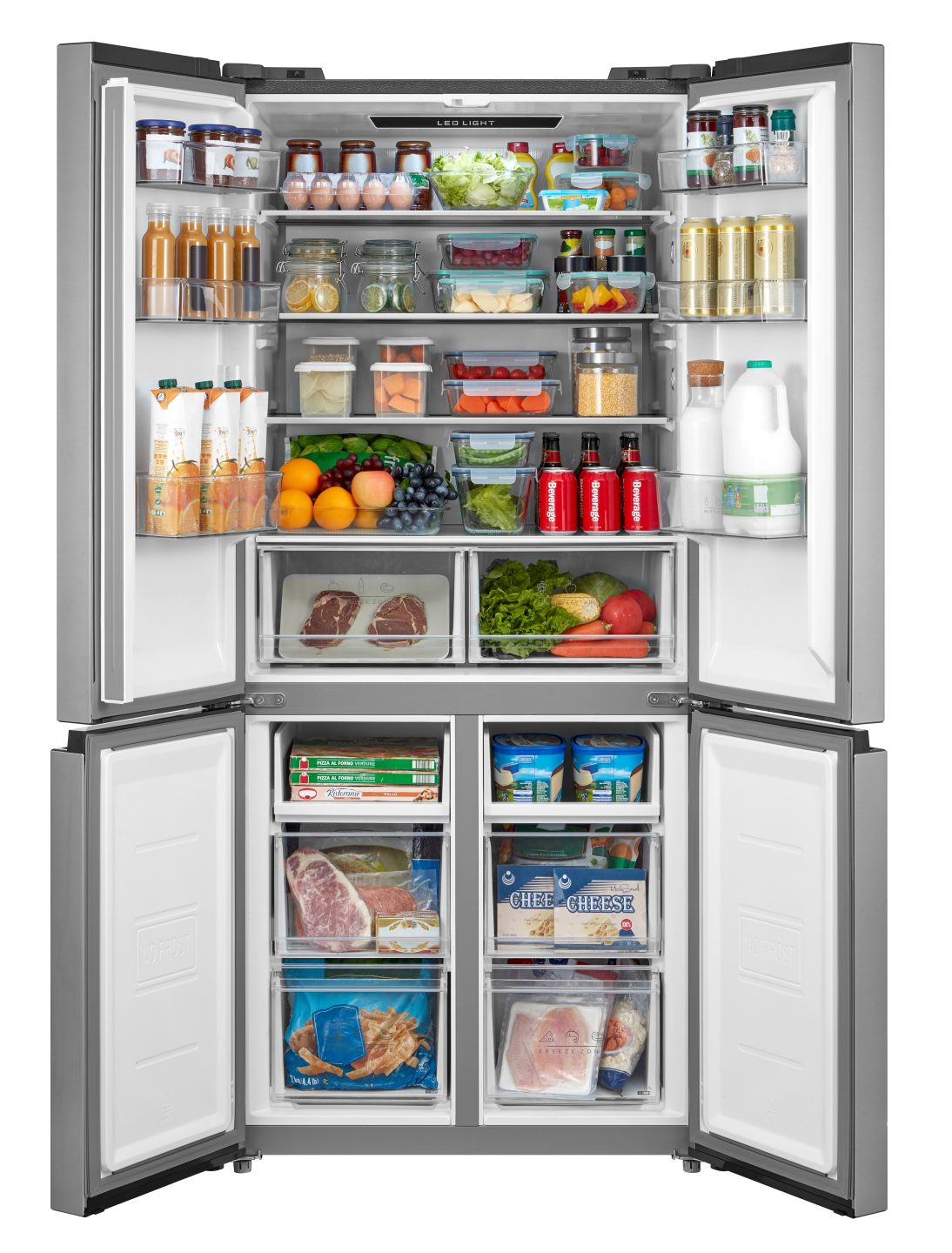
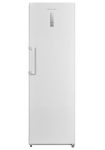
The Cookology 273L Tall Freestanding Freezer in White is a good choice if you need a freezer only. If you require both fridge and freezer storage, our large-capacity Quattro 515L Four-Door Fridge-Freezer in Inox is ideal. It comes with an in-built adjustable thermostat as well as a Super Cool and Super Freezer function – and is outbuilding suitable.
Whether you need a dedicated appliance for bulk storage, overflow fridge space, or a reliable all-in-one solution, always look for the outbuilding-suitable rating. It’s the most important factor when choosing a garage fridge or freezer and the easiest way to avoid problems down the line.
Looking for a new fridge or freezer? Browse the full range at Cookology to find the right size and specification for you. Need more advice? Our refrigeration buying guide breaks down all the options available.