
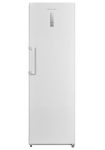
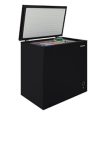
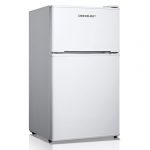
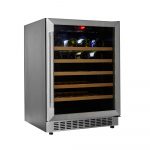

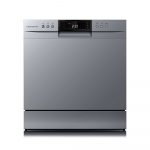
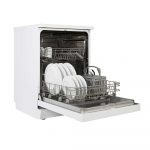
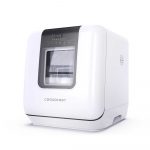



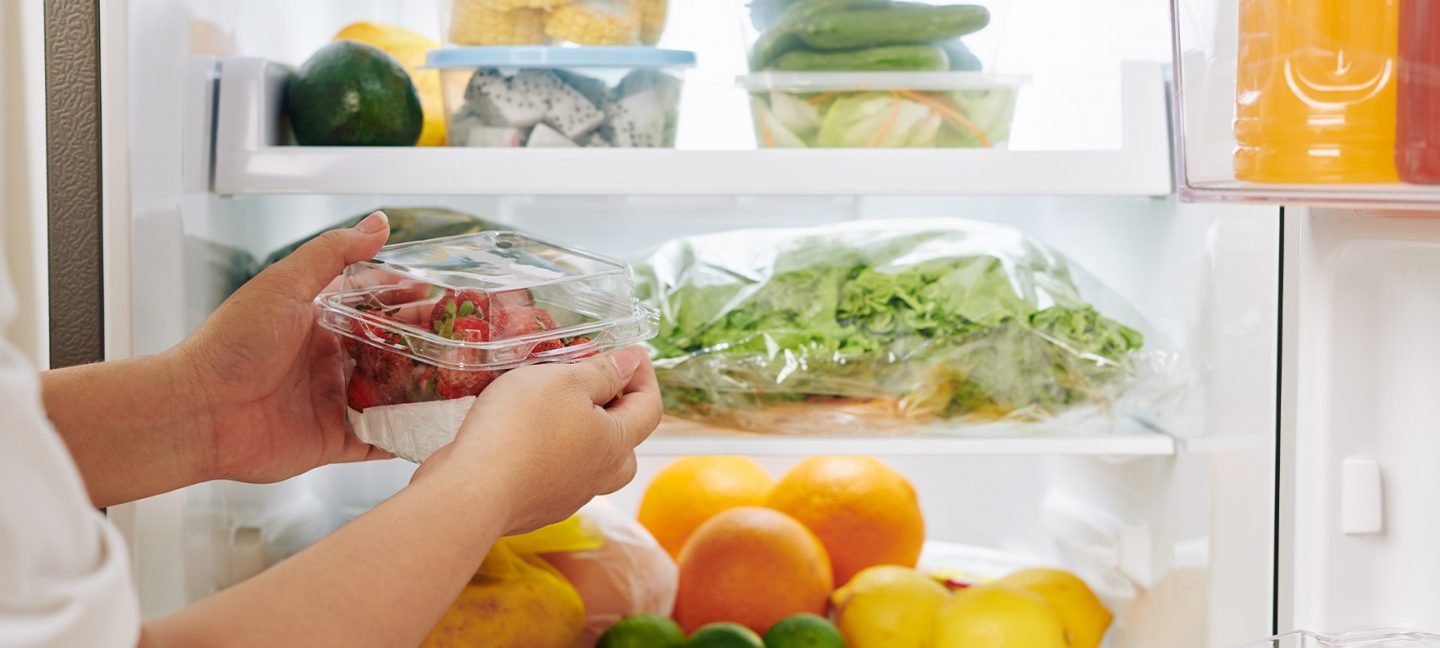
Buying a new fridge or fridge freezer can feel overwhelming – there are more types, sizes, and features to choose from than ever, and it’s not always obvious where to start.
That’s what we’re here for. Whether you’re replacing an old model, fitting out a new kitchen, or buying for the first time, this guide covers everything you need to know.
What’s best for you: fridge, freezer, or fridge freezer?
First things first – what are you actually looking for?
Before diving into types and sizes, it’s worth stepping back and asking yourself whether you need a combined fridge freezer or whether two separate appliances might work better for you.
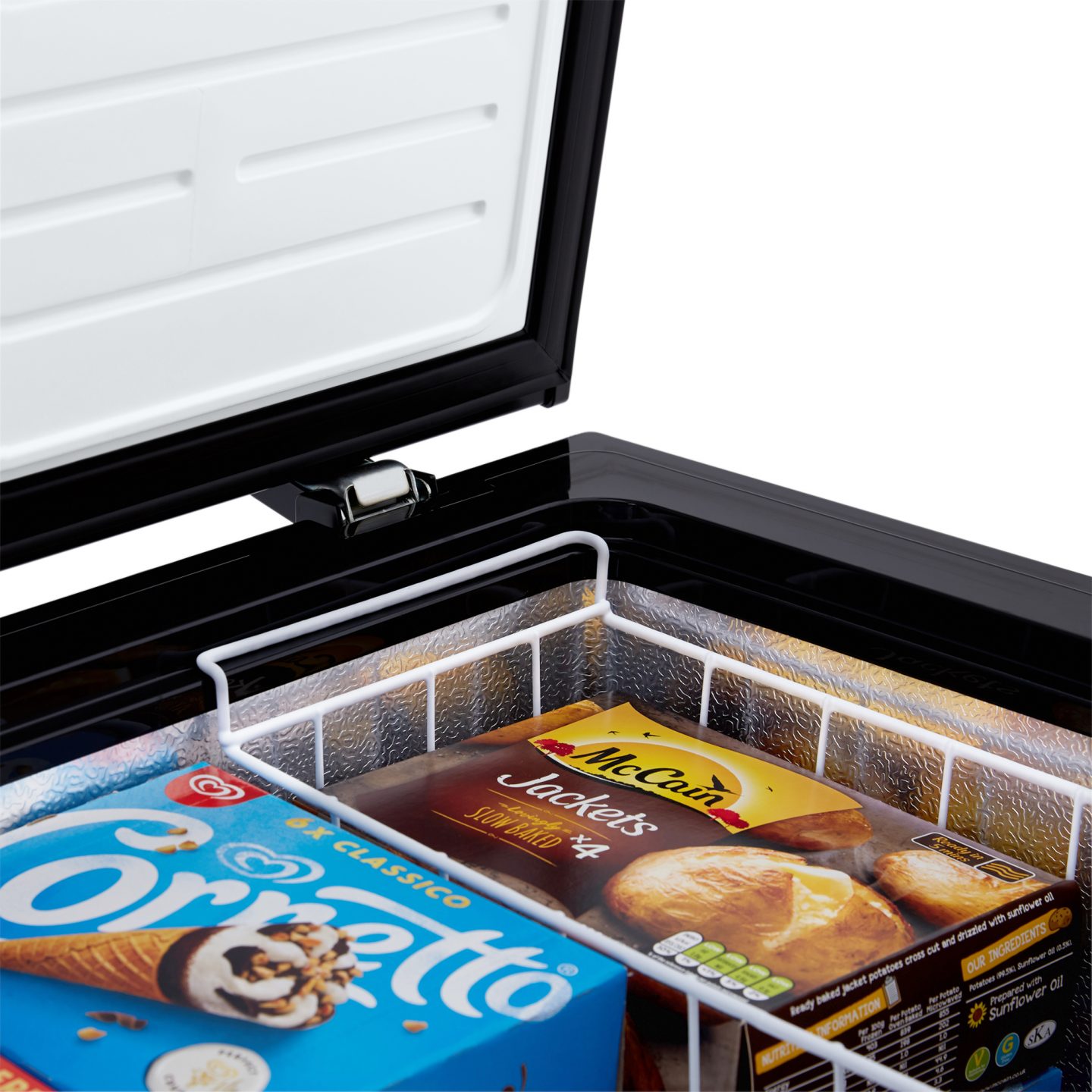
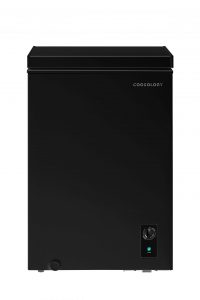
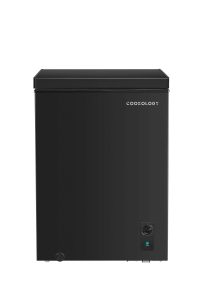
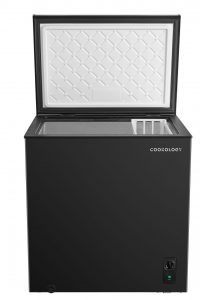
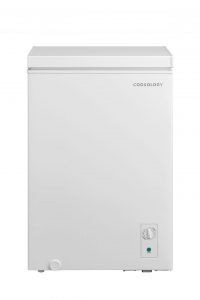
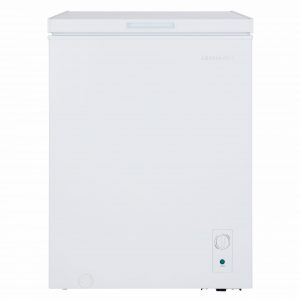
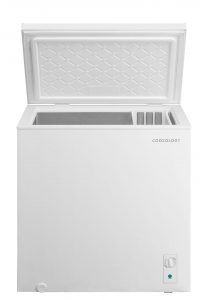
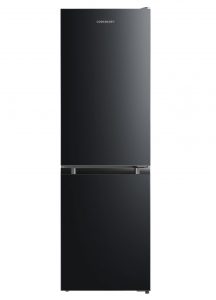
A combined fridge freezer is the most common choice, as it takes up less space and is simpler to manage day to day. However, separate appliances do have their advantages. You can size each one independently based on how you actually use them, and if one breaks down, you don’t lose both at once. Going for a separate fridge and freezer also opens up more options, like chest freezers, which offer excellent value for bulk storage and work well in a garage or utility room.
For most households, a combined model in the kitchen makes the most sense. But if you have the space or want additional storage, separate appliances are worth considering.
Types of fridge and freezer
Once you’ve decided on a combined or separate setup, the next question is what type of appliance suits your kitchen. Think about whether you want a freestanding or integrated model – this will shape everything else.
Freestanding vs integrated fridge freezers
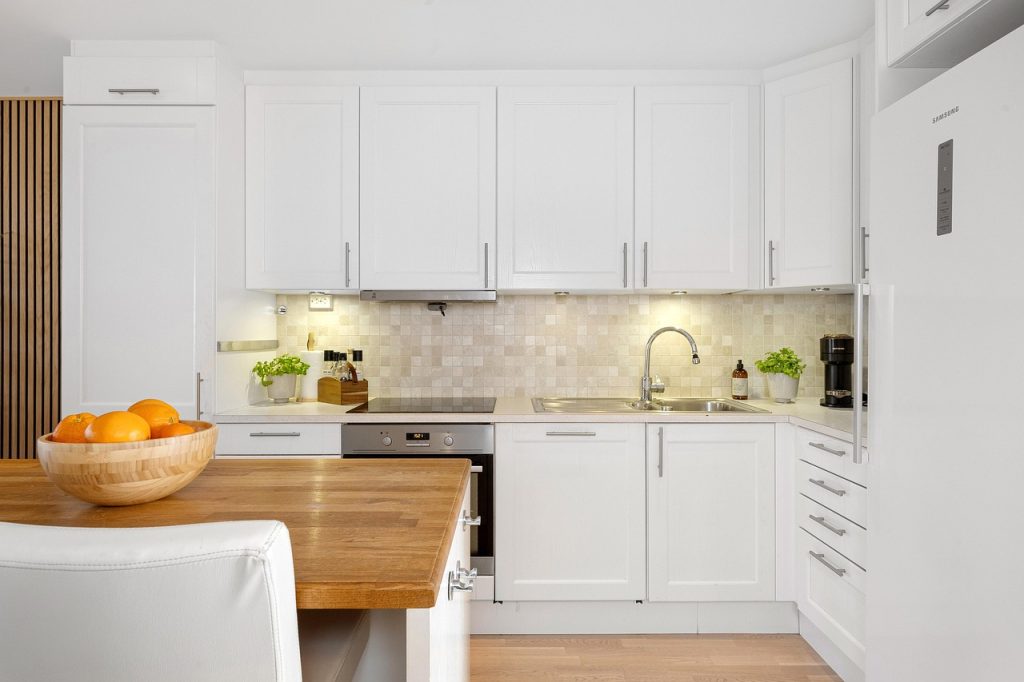
Freestanding appliances stand independently and don’t need to be built into cabinetry. They come in a wide range of sizes and finishes, are straightforward to install, and easy to swap out if you ever need to replace them. They’re the more flexible option and work well in most kitchen layouts.
Integrated appliances are designed to fit inside a kitchen cabinet, with a door panel that matches your units. The result is a completely seamless look – when the door is closed, there’s no sign of a fridge at all. They’re a great choice for anyone who wants a clean, uncluttered kitchen aesthetic, whether that’s in an open-plan space, a newly fitted kitchen, or simply because that’s the style you want. They typically require professional fitting, and you’ll need a compatible cabinet cavity – but the end result speaks for itself.
Next, you should consider what you need out of your appliance. Here’s a breakdown of some of the most common types of fridges and freezers.
Larder fridges
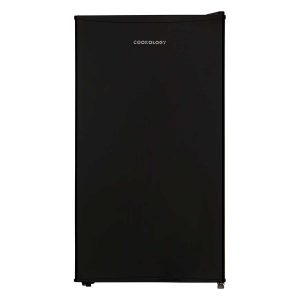
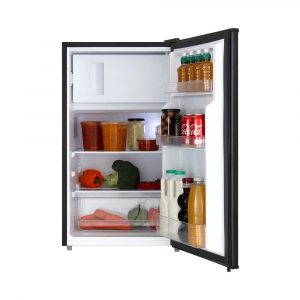
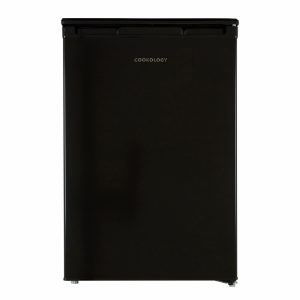
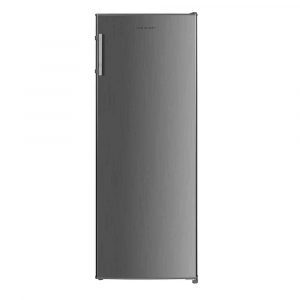
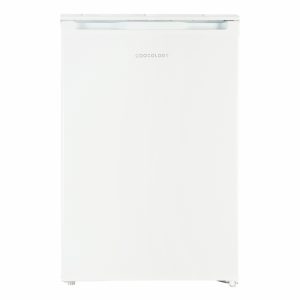
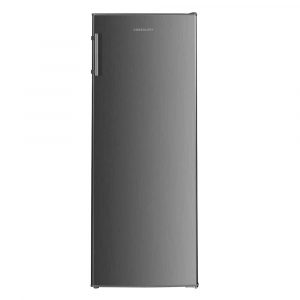
A larder fridge is a fridge without a freezer compartment. If you already have a separate freezer, or you don’t use one much, a larder fridge gives you more usable fridge space for the same footprint. They’re a good option for households that do a big fresh food shop and want to maximise fridge capacity.
Under-counter fridges and freezers
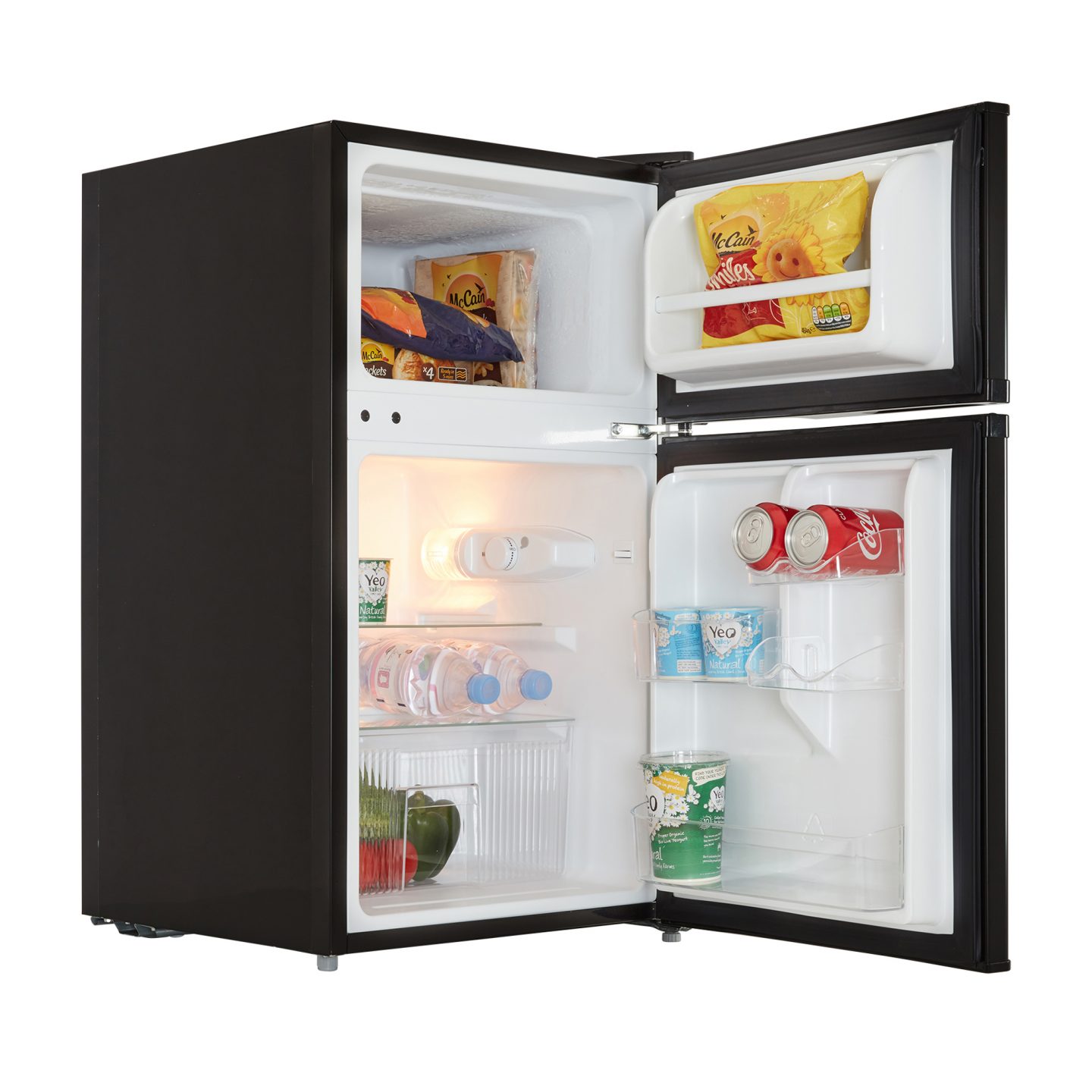
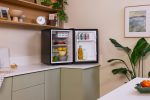
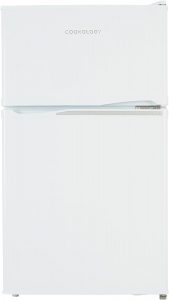
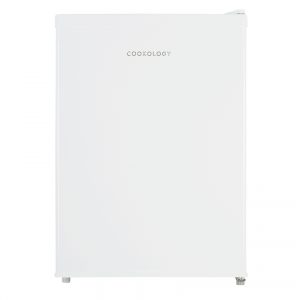
Under-counter models are designed to sit beneath a worktop and are a practical choice for smaller kitchens where a full-height appliance isn’t an option. One thing to bear in mind: under-counter fridge freezers often have a fairly compact freezer section, so if freezer space is important to you, it’s worth checking the capacity closely. Alternatively, you can opt for a separate under-counter fridge and under-counter freezer – though that will naturally take up more room.
American-style fridge freezers
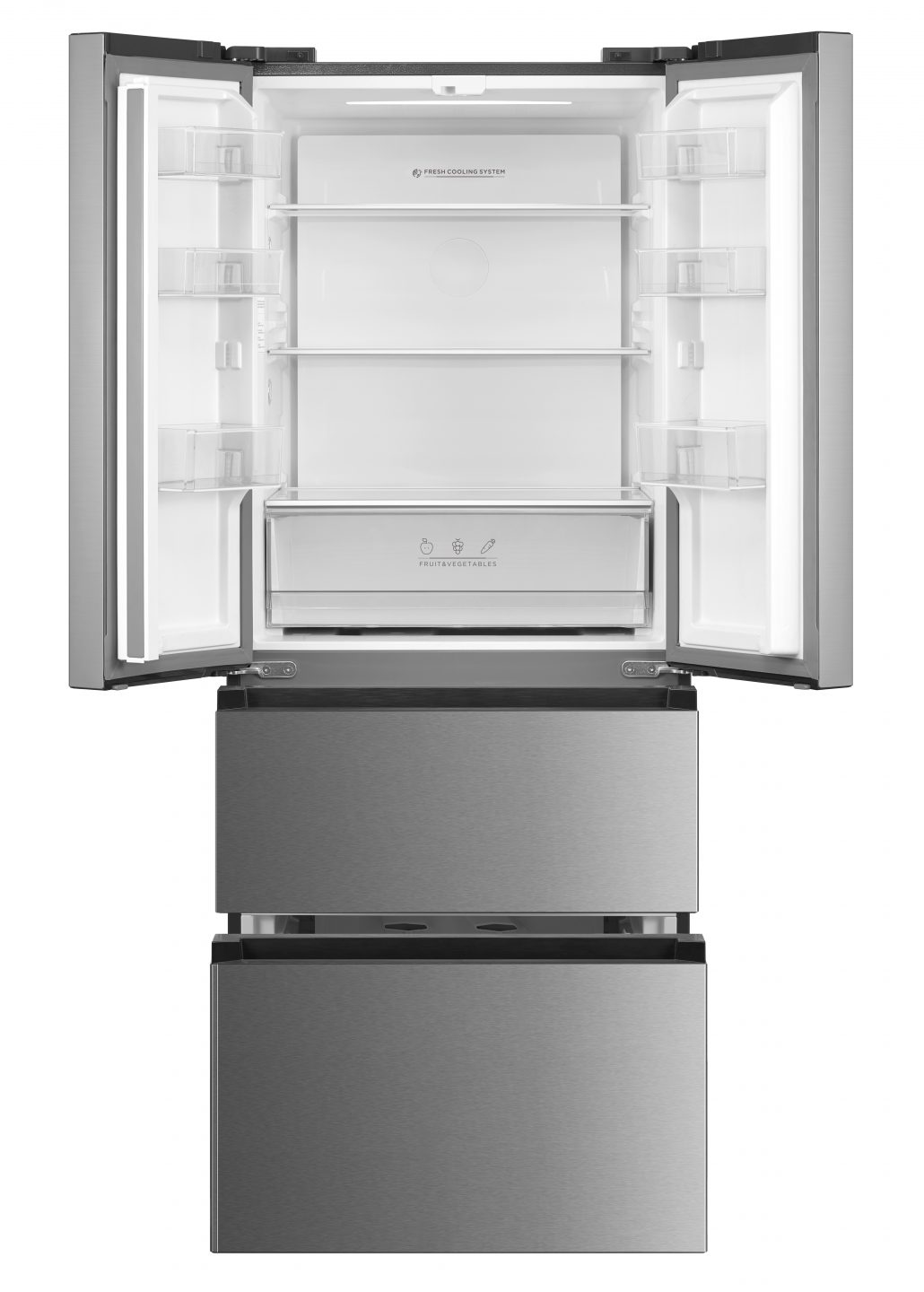
American fridge freezers are the wide, side-by-side models with two full-length doors. They offer generous storage and often include extras like water dispensers or ice makers. They’re a great choice if you have the space – just make sure you measure carefully, as they’re considerably wider than standard models. If you like the idea of a water dispenser but don’t want the hassle of a plumbed connection, some models – including those in the Cookology range – use a refillable tank instead, so you get the convenience without any installation work.
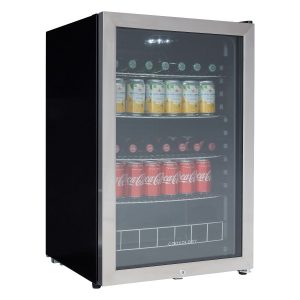
Wine coolers and drinks fridges
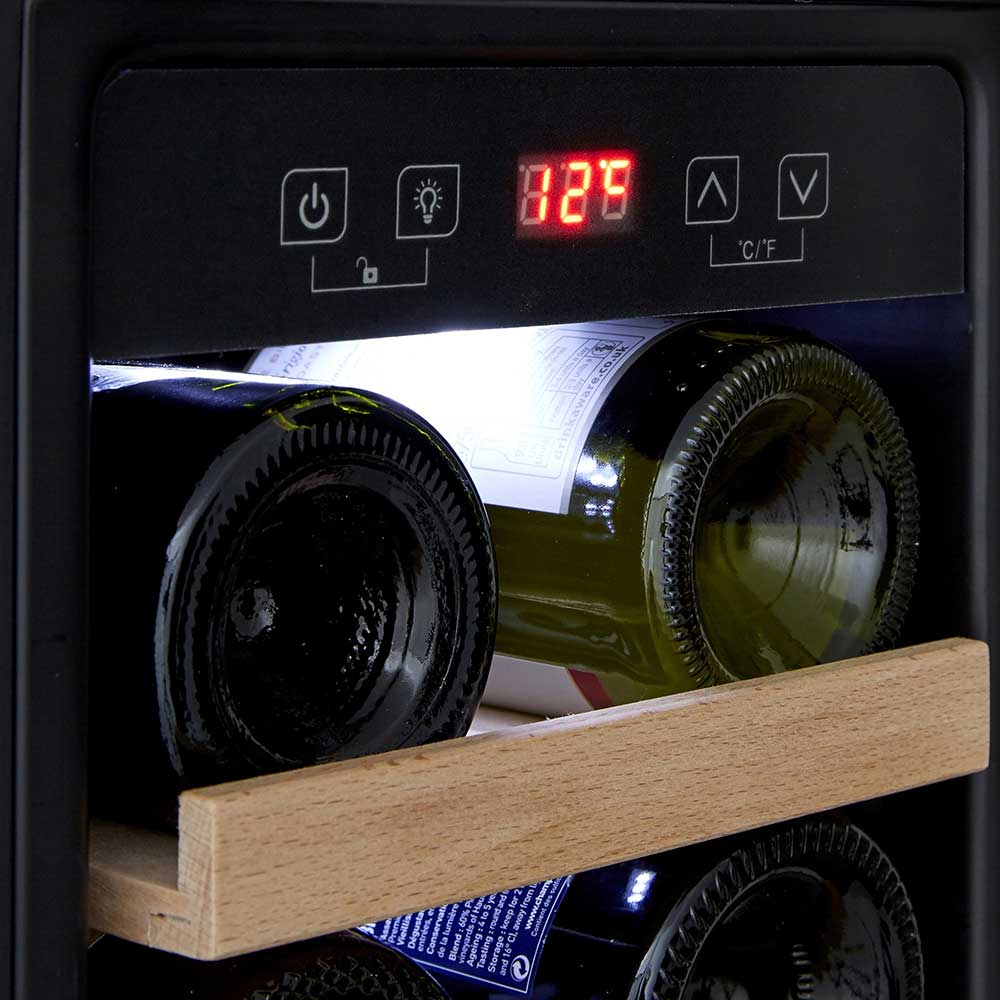
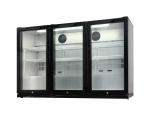
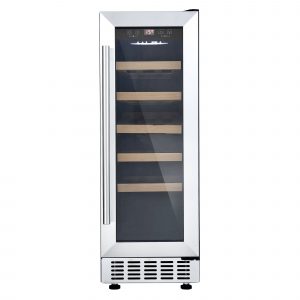
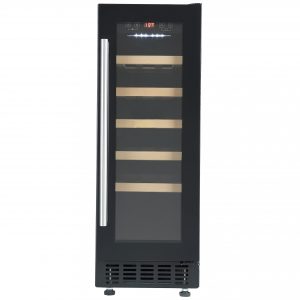
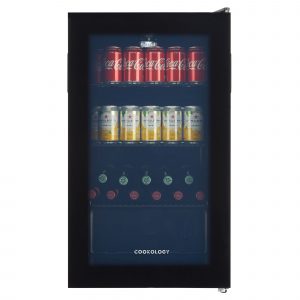
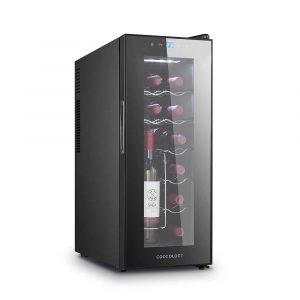
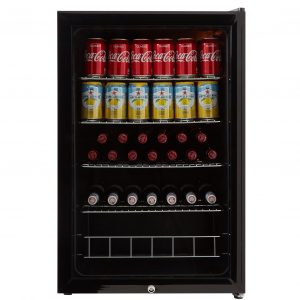
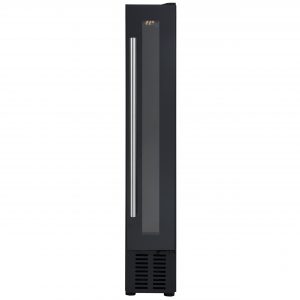
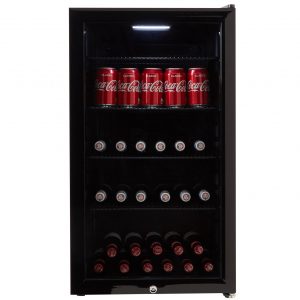
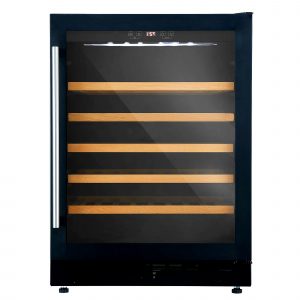
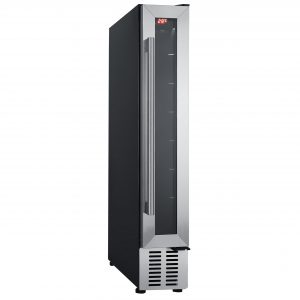
If you entertain regularly or you’re serious about wine, a dedicated wine cooler keeps your bottles at the right temperature – a standard fridge tends to run a little too cold for wine storage. They come as freestanding or integrated models, ranging from compact six-bottle coolers up to larger cabinets. It’s worth thinking about whether you want a freestanding model for flexibility or a built-in one for a tidier finish.
Mini and tabletop fridges
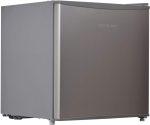
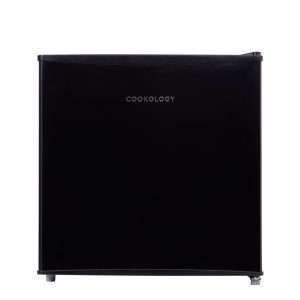
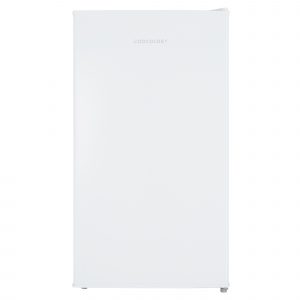
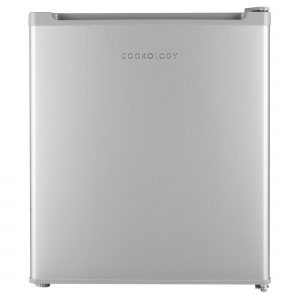
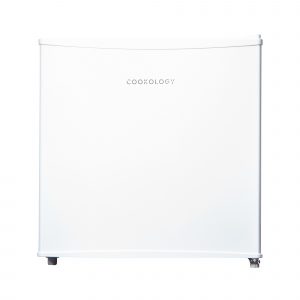
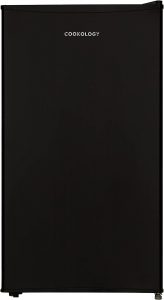
Compact and lightweight, tabletop fridges are ideal anywhere you need a small amount of cold storage: offices, student accommodation, bedrooms, or caravans, for example. They’re not usually a replacement for a main kitchen fridge, but as a secondary option they can be very handy, especially if you need something you can move around easily.
Bestsellers
-
 TCH601
60cm Built-In Ceramic Hob 4 Zone – Black
£99.99 -
 UCFF87BK
87L Freestanding Under Counter Fridge Freezer 70/30 – Black
£149.99 -
 CHA600BK/A
60cm Angled Cooker Hood A Energy Rated – Black
£89.99 -
 CCF115
CCF115 Recirculating Cooker Hood Carbon Charcoal Filters
£14.99 -
 CF150
CF150CF150 Cooker Hood Filters
£14.99 -
 UCFF87SL
87L Freestanding Under Counter Fridge Freezer 70/30 – Silver
£149.99 -
UCFF87WH
87L Freestanding Under Counter Fridge Freezer 70/30 – White
Original price was: £149.99.£127.49Current price is: £127.49. -
CWC300SS
20 Bottle Freestanding Wine Cooler 30cm – Stainless Steel
Original price was: £299.99.£254.99Current price is: £254.99. -
 SEP601SS
60cm Built-In Solid Plate Hob 4 Zone – Stainless Steel
£99.00 -
 CCFZ99BK
99L Freestanding Chest Freezer – Black
£129.99 -
CWC301BK
20 Bottle Freestanding Wine Cooler 30cm – Black
Original price was: £299.99.£254.99Current price is: £254.99. -
CCF200
Carbon Charcoal Filters CCF200
£14.99 -
 CET601
60cm Built-In Ceramic Hob 4 Zone – Black
£79.99 -
 CIBP600
60cm Built-In Induction Hob 4 Zone – Black
Original price was: £179.99.£152.99Current price is: £152.99. -
CCFZ142BK
142L Freestanding Chest Freezer – Black
£149.99 -
CF100
CF100 Recirculating Filters
£14.99 -
UCFZ60BK
60L Freestanding Under Counter Freezer – Black
£138.99 -
MFZ32BK
31L Table Top Mini Freezer – Black
Original price was: £94.99.£80.74Current price is: £80.74. -
DK1M150
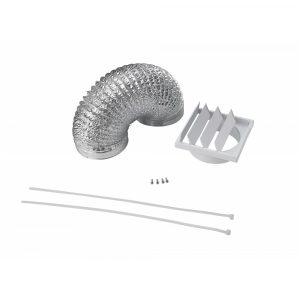
DK1M150 Ducting Kit for Externally Vented Cooker Hoods – White
£19.99 -
CCFZ198BK
198L Freestanding Chest Freezer – Black
£199.99 -
BUCH900SS/A+
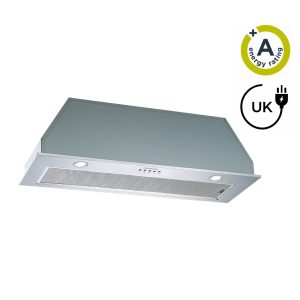
90cm Built-Under Canopy Cooker Hood A+ Energy Rated – Stainless Steel
Original price was: £159.99.£135.99Current price is: £135.99. -
CTTD6BK
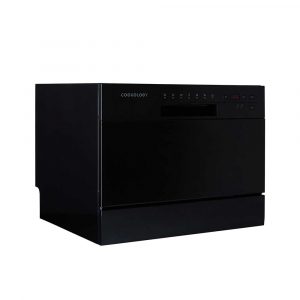
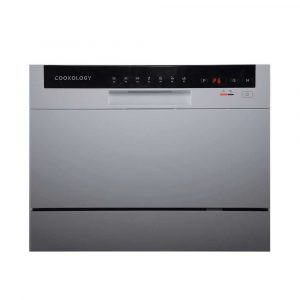
6 Place Settings Table Top Dishwasher – Black
£199.99 -
 BUGL900BK/A+
90cm Built-Under Canopy Cooker Hood A+ Energy Rated – Black Glass
£219.99 -
 CCHIM60SS
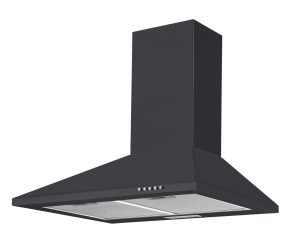
60cm Chimney Cooker Hood B Energy Rated – Stainless Steel
£49.99 -
IM20LSS
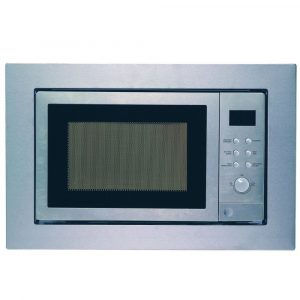
20L Integrated Microwave 800W – Stainless Steel
£159.99 -
SEP602BK
60cm Built-In Solid Plate Hob 4 Zone – Black
Original price was: £89.99.£76.49Current price is: £76.49. -
CMAFS20LBK
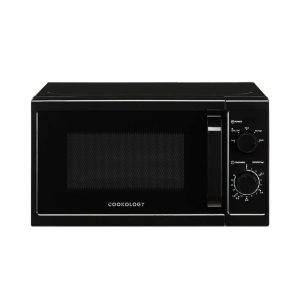
20L Freestanding Microwave 800W – Black
£64.99 -
CTTD8BK
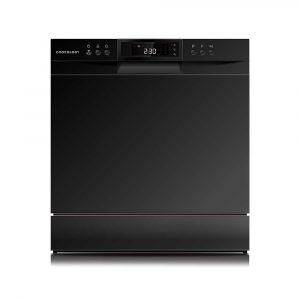
8 Place Settings Table Top Dishwasher – Black
£264.99 -
IMOG25LSS
25L Integrated Combi Microwave with Grill 900W – Stainless Steel
Original price was: £199.99.£169.99Current price is: £169.99. -
CTTD6WH
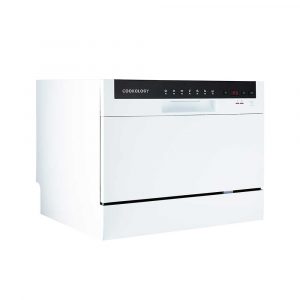
6 Place Settings Table Top Dishwasher – White
£199.99 -
 BUGL750BK/A+
75cm Built-Under Canopy Cooker Hood A+ Energy Rated – Black Glass
£199.99 -
IMOG25LBK
25L Integrated Combi Microwave with Grill 900W – Black
£199.99 -
 UCFZ60WH
60L Freestanding Under Counter Freezer – White
Original price was: £138.99.£118.14Current price is: £118.14. -
MFR67BK
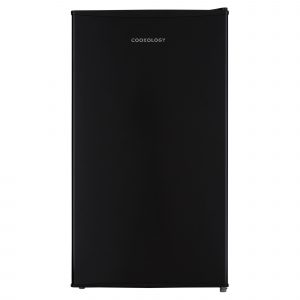
65L Table Top Mini Fridge – Black
£109.99 -
CTTD6SL
6 Place Settings Table Top Dishwasher – Silver
£199.99 -
 CF300
CF300CF300 Carbon Sheet Filter for Recirculating Visor Cooker Hoods
£14.99 -
GH705SS
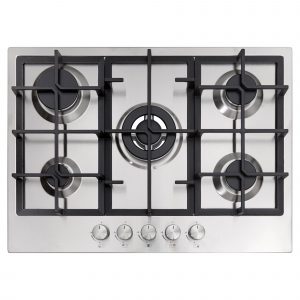
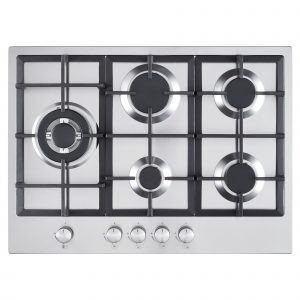
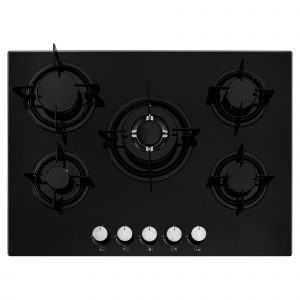
70cm Built-In 5 Burner Gas Hob with Wok Burner – Stainless Steel
Original price was: £159.99.£135.99Current price is: £135.99. -
CBC70BK
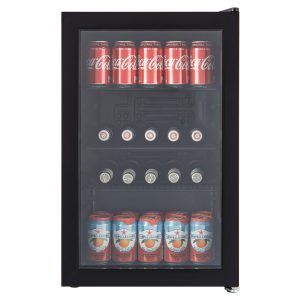
70L Freestanding Drinks Fridge 43cm – Black
£199.99 -
GH700SS
70cm Built-In 5 Burner Gas Hob with Wok Burner – Stainless Steel
Original price was: £149.99.£127.49Current price is: £127.49. -
UCIF93BK
93L Freestanding Under Counter Fridge with Chiller Box – Black
£129.99 -
CTTD8SL
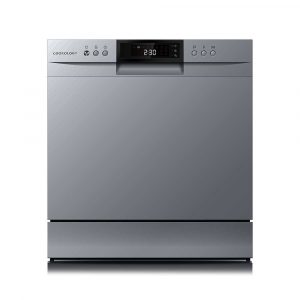
8 Place Settings Table Top Dishwasher – Silver
£264.99 -
CMVD25BK
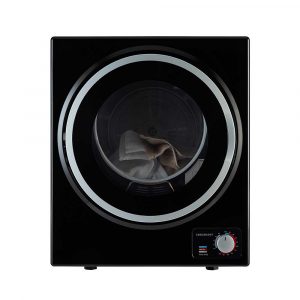
2.5kg Freestanding Mini Tumble Dryer – Black
£154.99 -
CMAFS20LWH
20L Freestanding Microwave 800W – White
£64.99 -
BC96BK
93L Freestanding Drinks Fridge 47cm – Black
£214.99 -
 IM20LBK
20L Integrated Microwave 800W – Black
£159.99 -
GGH705BK
70cm Built-In 5 Burner Gas on Glass Hob with Wok Burner – Black
£159.99 -
CFSDI20LBK
20L Freestanding Microwave 800W – Black
£66.99 -
CTTD8WH
8 Place Settings Table Top Dishwasher – White
£264.99 -
UCIB80BK
80L Freestanding Under Counter Fridge with Ice Box – Black
£139.99 -
 COF600BK
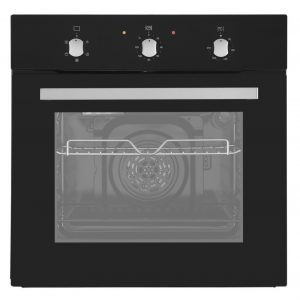
65L Built-In Electric Oven A Energy Rated – Black
£189.99 -
 BUCH520SS/A+
52cm Built-Under Canopy Cooker Hood A+ Energy Rated – Stainless Steel
Original price was: £84.99.£72.49Current price is: £72.49. -
VER805BK/A++
80cm Angled Chimney Cooker Hood A++ Energy Rated – Black
£159.99 -
CWTE12BK
12 Bottle Freestanding Wine Cooler 26cm – Black
£129.99 -
FOD602BK
60L Built-In Electric Fan Oven A Energy Rated – Black Glass
£189.99 -
CCFZ99WH
99L Freestanding Chest Freezer – White
Original price was: £129.99.£116.99Current price is: £116.99. -
CMVD25WH
2.5kg Freestanding Mini Tumble Dryer – White
£139.99 -
CBC130BK
115L Freestanding Under Counter Drinks Fridge 54cm – Black
£329.99 -
UCIF93WH
93L Freestanding Under Counter Fridge with Chiller Box – White
£129.99 -
SFO60BK/1
60L Built-In Electric Oven A Energy Rated – Black
£189.99 -
CCHIM60BK
60cm Chimney Cooker Hood B Energy Rated – Black
£49.99 -
MFZ32SL
31L Table Top Mini Freezer – Silver
£94.99 -
CCFZ142WH
142L Freestanding Chest Freezer – White
£149.99 -
CCFZ198WH
198L Freestanding Chest Freezer – White
Original price was: £199.99.£169.99Current price is: £169.99. -
CWC150BK
7 Bottle Built-In Wine Cooler 15cm – Black
£149.99 -
MFZ32WH
31L Table Top Mini Freezer – White
Original price was: £94.99.£80.74Current price is: £80.74. -
LINT701SS
70cm Chimney Cooker Hood A++ Energy Rated – Stainless Steel
£189.99 -
CH600SS/A
60cm Chimney Cooker Hood A Energy Rated – Stainless Steel
£79.99 -
VER905BK
90cm Angled Chimney Cooker Hood A++ Energy Rated – Black
£169.99 -
UCFR130BK
130L Freestanding Under Counter Fridge – Black
£169.99 -
 SEP601WH
60cm Built-In Solid Plate Hob 4 Zone – White
£99.99 -
 UCFR88BK
93L Freestanding Under Counter Fridge – Black
£139.99 -
MFR67WH
65L Table Top Mini Fridge with Chiller Box – White
£109.99 -
LINT901SS/A++
90cm Chimney Cooker Hood A++ Energy Rated – Stainless Steel
Original price was: £189.99.£179.99Current price is: £179.99. -
![Electric Hob - CIB606 (3)]() CIB606
CIB60660cm Built-In Induction Hob 4 Zone – Black
£179.99 -
![65L Table Top Mini Fridge with Chiller Box - Stainless Steel]() MFR67SS
MFR67SS65L Table Top Mini Fridge with Chiller Box – Stainless Steel
Original price was: £119.99.£101.99Current price is: £101.99. -
![Mini table top fridge in black]() MFR45BK
MFR45BK45L Table Top Mini Fridge with Chiller Box – Black
Original price was: £94.99.£80.74Current price is: £80.74. -
![Cookology Chimney Extractor Fan - A Energy Rated - 90cm Cooker Hood - Black]() CH900BK/A
CH900BK/A90cm Chimney Cooker Hood A Energy Rated – Black
£84.99 -
![115L Freestanding Under Counter Drinks Fridge 54cm - Stainless Steel]() CBC130SS
CBC130SS115L Freestanding Under Counter Drinks Fridge 54cm – Stainless Steel
£299.99 -
![70cm Angled Chimney Cooker Hood A++ Energy Rated - Black]() VER705BK/A++
VER705BK/A++70cm Angled Chimney Cooker Hood A++ Energy Rated – Black
£149.99 -
![CTFZ273WH Tall Freestanding Freezer]() CTFZ273WH
CTFZ273WH273L Tall Freestanding Freezer – White
£429.99 -
![microwave oven]() CFSDI20LWH
CFSDI20LWH20L Freestanding Microwave 800W – White
£66.99 -
![98L Freestanding Drinks Fridge 47cm - Black]() CBC98BK
CBC98BK98L Freestanding Drinks Fridge 47cm – Black
£259.99 -
![Cookology 180L Freestanding Freezer - Tall Larder Freezer]() CTFZ163IX
CTFZ163IX168L Freestanding Tall Larder Freezer – Stainless Steel
Original price was: £299.99.£249.99Current price is: £249.99. -
![90cm Chimney Cooker Hood A Energy Rated - Stainless Steel]() CH900SS/A
CH900SS/A90cm Chimney Cooker Hood A Energy Rated – Stainless Steel
£84.99 -
![CFF174WH Freestanding Fridge Freezer in Black]() CFF174BK
CFF174BK174L Freestanding Fridge Freezer 65/35 – Black
£239.99 -
![integrated microwave and grill]() BIM25LWO
BIM25LWO25L Built-In Microwave with Grill 900W – Stainless Steel
Original price was: £199.99.£189.99Current price is: £189.99. -
![freestanding undercounter fridge]() UCIB80WH
UCIB80WH80L Freestanding Under Counter Fridge with Ice Box – White
£139.99 -
![Electric Hob - CIT902 (9)]() CIT902
CIT90290cm Built-In Induction Hob 5 Zone – Black
£299.99 -
![90cm Built-In Double Oven 110L A Energy Rated - Black]() CDO900BK
CDO900BK90cm Built-In Double Oven 110L A Energy Rated – Black
£369.99 -
![Cookology A+ Energy Rated - 90cm Built Under Canopy Cooker Hood - White Glass]() BUGL900WH/A+
BUGL900WH/A+90cm Built-Under Canopy Cooker Hood A+ Energy Rated – White Glass
Original price was: £219.99.£186.99Current price is: £186.99. -
![Cookology A++ Energy Efficient 35cm Island Cooker Hood - Black]() HICYL351BK/A++
HICYL351BK/A++35cm Ceiling Mounted Cooker Hood A++ Energy Rated – Black
Original price was: £229.99.£195.49Current price is: £195.49. -
![HICYL351SS Island Cooker Hood]() HICYL351SS
HICYL351SS35cm Ceiling Mounted Cooker Hood A++ Energy Rated – Stainless Steel
Original price was: £229.99.£186.99Current price is: £186.99. -
![Cookology Solid Plate Two Burner Domino Hob]() SEP300SS
SEP300SSBuilt-In Domino Solid Plate Hob 2 Zone 29cm – Stainless Steel
£79.99 -
![Gas on Glass Hob]() GGH700BK
GGH700BK70cm Built-In 5 Burner Gas on Glass Hob with Wok Burner – Black
£149.99 -
![Cookology White Under Counter Fridge]() UCFR130WH
UCFR130WH130L Freestanding Under Counter Fridge – White
£169.99 -
![Cookology 240L Tall Fridge - Larder Fridge]() CTFR240IX
CTFR240IX240L Freestanding Larder Fridge – Silver
£279.99 -
![60cm Chimney Cooker Hood A Energy Rated - Black]() TSH601BK/A
TSH601BK/A60cm Chimney Cooker Hood A Energy Rated – Black
£89.99 -
![54 Bottle Freestanding Wine Cooler 60cm - Black]() CWC601BK
CWC601BK54 Bottle Freestanding Wine Cooler 60cm – Black
£449.99 -
![7 Bottle Built-In Wine Cooler 15cm - Stainless Steel]() CWC150SS
CWC150SS7 Bottle Built-In Wine Cooler 15cm – Stainless Steel
£149.99



Choosing the right size fridge or freezer
Getting the size of your new appliance right is one of the most important parts of the decision. Go too small, and you’ll forever be running out of space. Too large, and you risk your appliance dominating your kitchen – or worse, not fitting at all.
For detailed guidance on measuring your space and finding the right sized fridge or freezer for you, take a look at our fridge size guide. Otherwise, here’s a quick overview of capacity:
- As a rough guide, a single person typically needs around 100-150 litres of total storage.
- A couple can usually manage well with 150-250 litres.
- A family of four is likely looking at 300+ litres – larger families may want to go higher still.
However, these are just starting points, and the size needed can vary massively from person to person. If you do a big weekly shop with lots of fresh food and like to keep a well-stocked freezer, you might want to err on the generous side. If you get by with less fresh food or shop more frequently, capacity may not be as much of a priority.
Remember, for integrated models, you’ll need to match the appliance to your existing cabinet cavity, so always measure height, width and depth carefully before buying.
Understanding fridge freezer splits: 50/50, 60/40, and 70/30
If you’re looking at combined fridge freezers, you’ll likely have seen these numbers referenced. The split refers to how the space is divided between the fridge and freezer compartments.
A 70/30 split gives you a large fridge with a smaller freezer space, which is great if you mostly buy fresh food and don’t rely as heavily on the freezer. A 60/40 split is a popular all-rounder, with a slightly larger freezer than 70/30. 50/50 is the most balanced option, though it’s worth noting that even on a 50/50 model, the fridge compartment often has more usable capacity than the freezer. This is because the freezer requires extra insulation and more complex mechanical components, which take up some internal space even when the doors are of equal size.
What to look for when buying a fridge or freezer
Once you’ve settled on the vitals – size and type – here are the other features and practicalities worth thinking about when buying a fridge, a freezer, or a fridge freezer.
Energy-rating
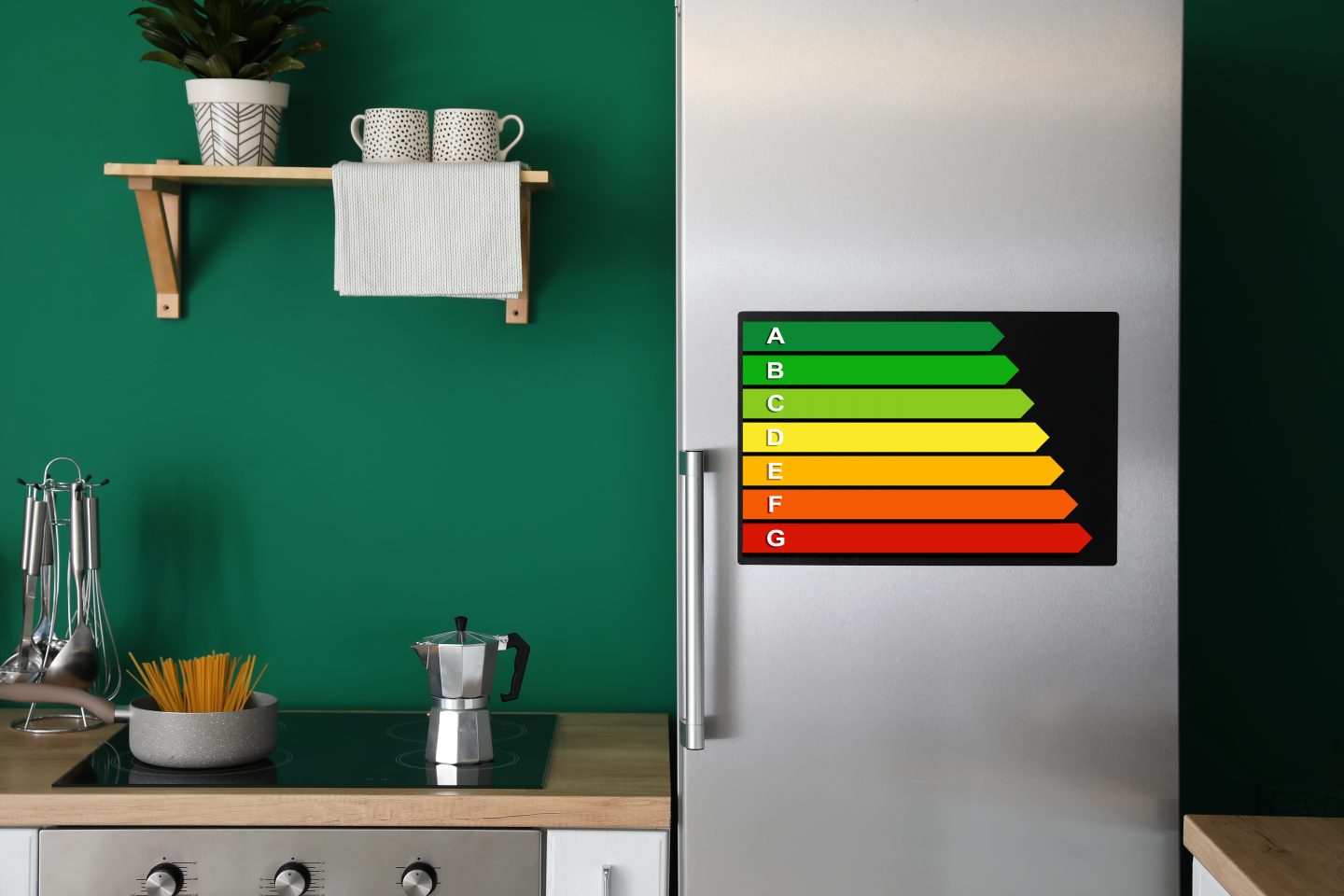
Running costs add up over the lifetime of an appliance, so energy efficiency is worth paying attention to. Look for models with a high energy rating – and bear in mind that the newer A-to-G scale has replaced the old A+++ system, so the two aren’t directly comparable.
Frost-free technology
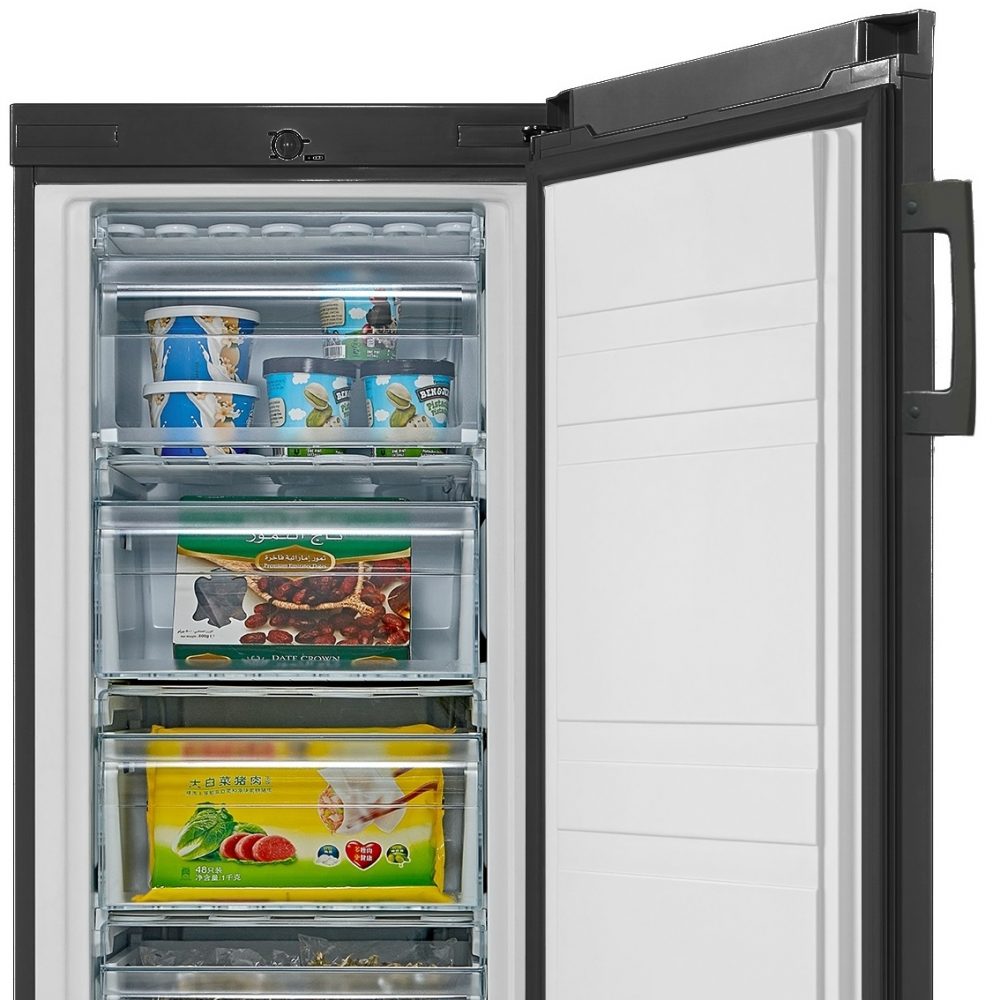
Frost-free technology prevents ice from building up in the freezer, which means you never have to defrost it manually. It’s a useful feature if you’d rather not think about freezer maintenance.
Reversible doors
Some models let you switch which side the door hinges on, which can make a real difference if your kitchen layout means a standard door swing would get in the way. It’s worth checking this in the specifications before you buy.
Adjustable shelves and storage
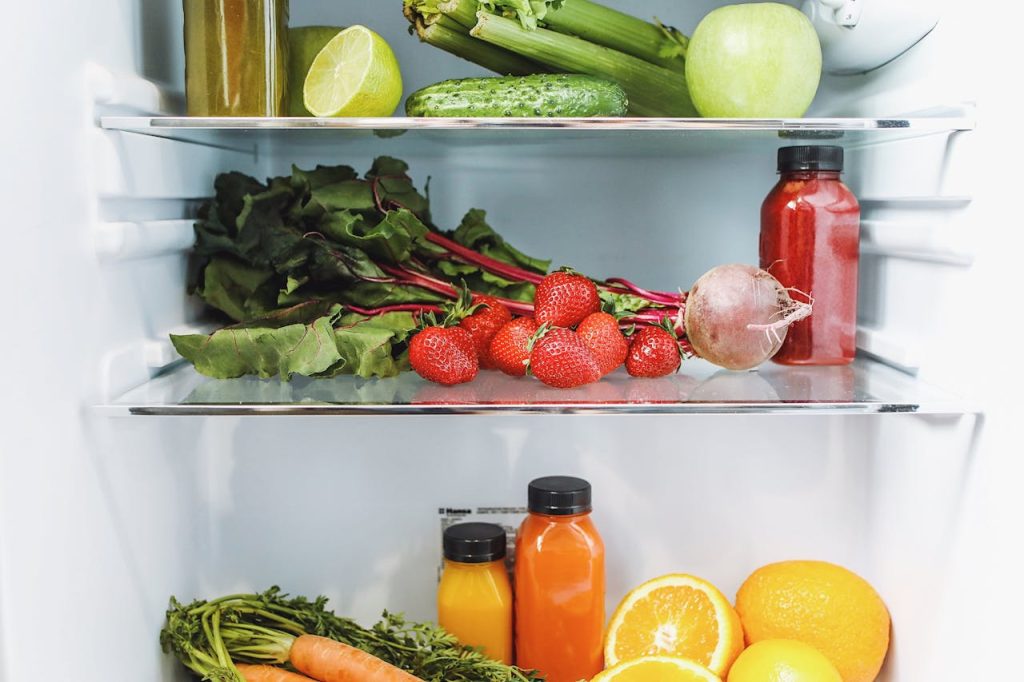
Being able to move shelves around makes it much easier to keep your fridge organised and means you can accommodate larger items like tall bottles or big food dishes without any awkward rearranging.
LED internal lighting
LED interior lighting is brighter and more energy-efficient than older bulb types. Most modern fridges have it, but it’s worth confirming.
Quiet operation
Noise levels are measured in decibels (dB) and are usually listed in the product specifications. If your fridge freezer will be in an open-plan kitchen/living space, it’s worth paying attention to this.
Touch or dial controls
Touch controls look sleeker, but traditional dial controls are often easier to use and less likely to be accidentally adjusted. Neither is objectively better – it’s down to personal preference. If you have strong feelings either way, double-check specifications before making your purchase.
Warranty
Fridges and fridge freezers are a significant purchase, so make sure you’re covered if something goes wrong. All Cookology appliances come with a 12-month guarantee as standard, giving you peace of mind from day one.
What to look for when buying a fridge freezer online
Shopping for a new fridge or freezer online gives you access to a much wider range of products than most physical shops, and it’s straightforward to compare specifications side by side. There are a few things to bear in mind, though.
- Double-check all measurements before ordering
Pictures might not fully convey the size of an appliance, so measure out your space and check against the product specifications. You should measure the space where the appliance will live, as well as the delivery route into your kitchen. Doorways, hallways, and tight corners can all cause problems on delivery day, so ensure the logistics are covered in advance.
- Check delivery details carefully
Some retailers deliver appliances to your door only; others offer in-home delivery or installation. If you need your old appliance taken away, check whether that’s included or available as an add-on.
- Always read the specifications
Don’t rely just on photos. Dimensions, capacity, energy rating, noise level, and features are all in the product specs – it’s easy to miss something important if you skip straight to the images.
When is it time to replace your fridge freezer?
Even well-maintained appliances don’t last forever. Signs it may be time to start looking for a replacement include:
- Food spoiling faster than it should
- The fridge feels warm or is working noticeably harder than usual
- You’re seeing excessive frost or condensation build-up
An appliance that’s more than 10-15 years old may also be significantly less energy efficient than a newer model, meaning a replacement could save you money over time due to lower running costs.
For a more detailed look at appliance lifespan, take a look at our guide to how long a fridge freezer lasts. And, if you want to ensure you’re getting the best from your current fridge or freezer, our fridge freezer maintenance tips are well worth a read.
But if the time has come to replace your fridge or freezer, you’re in the right place. At Cookology, we have a huge range of fridges, freezers, and fridge freezer combos, ranging from integrated under-counter designs to chest freezers and larger American-style fridges. Explore the full collection of fridges, freezers, and fridge freezers at Cookology to find the right solution for you.